On March 6, 2025, a joint workshop was hosted at the Vintop Karkó restaurant on the Slovak Hungarian border held on March 6, 2025, and it was centered on a critical topic: “Wastewater from the food industry – a new potential source of nutrients.”
Organized by leading institutions including the Slovak University of Agriculture in Nitra (SUA), the University of Győr (SZE), and Institute of Agricultural Economics (AKI), this event brought together 30 participants from academia, public and private sectors from both countries, sparking rich discussions and insights.
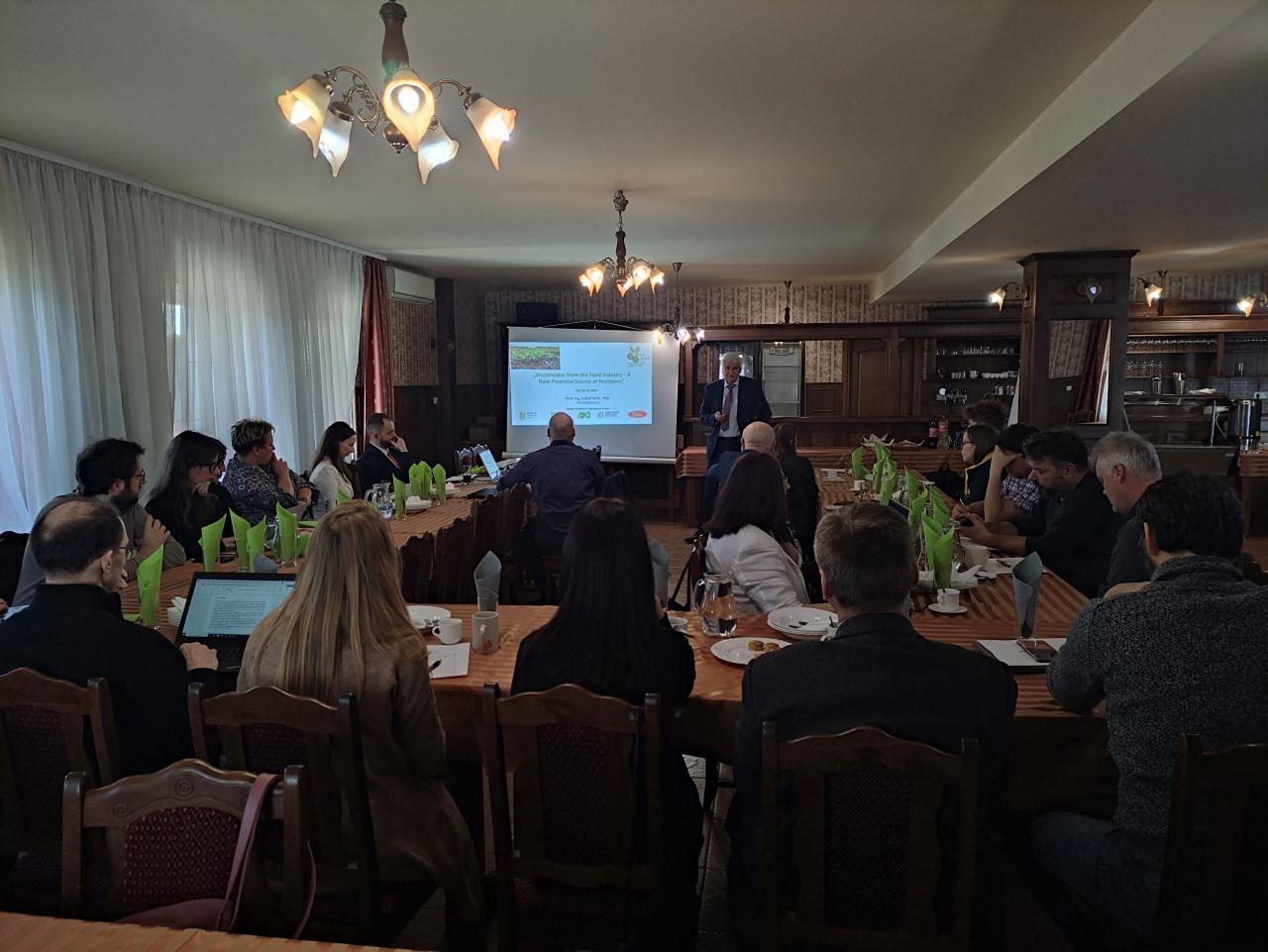
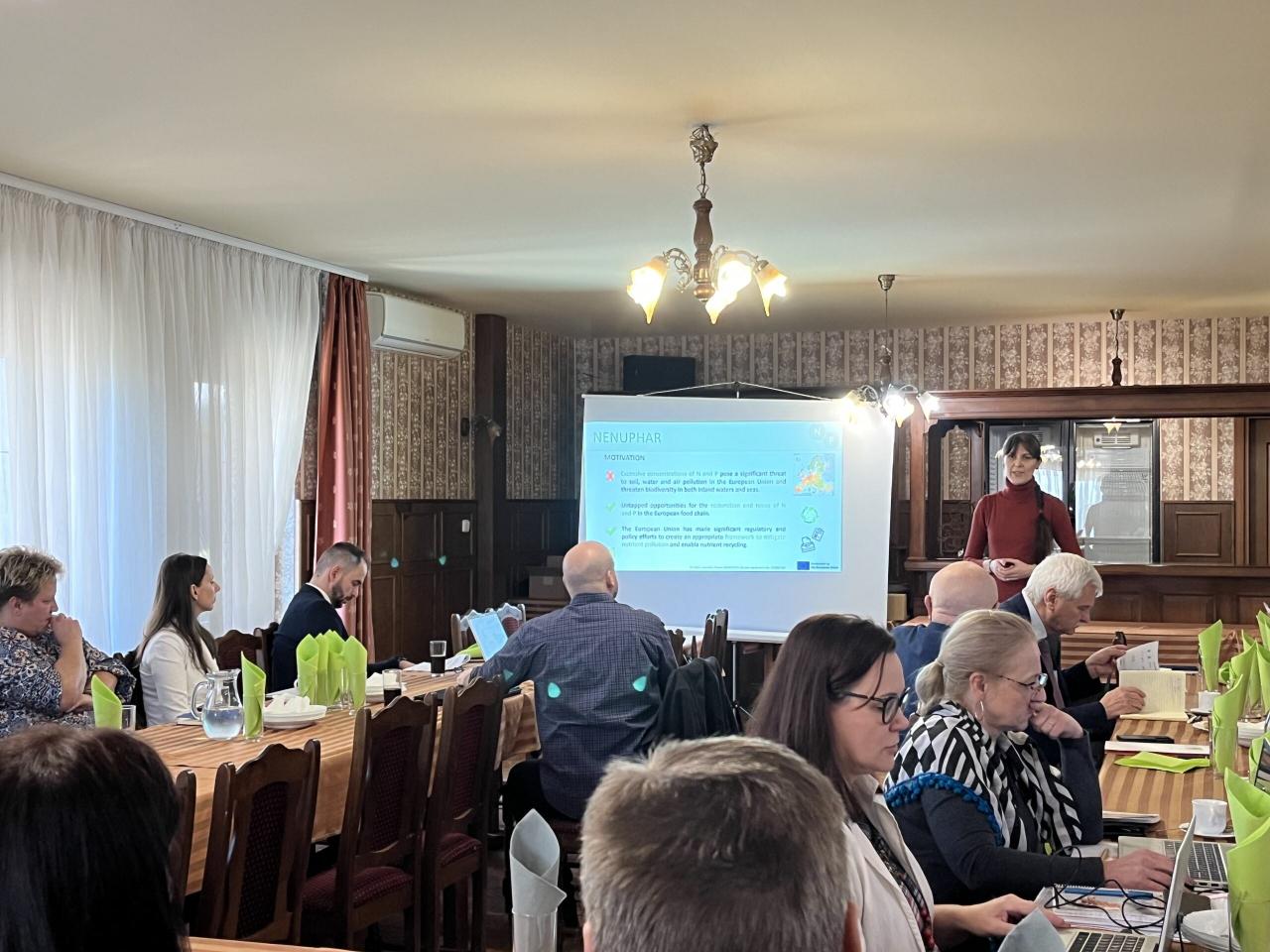
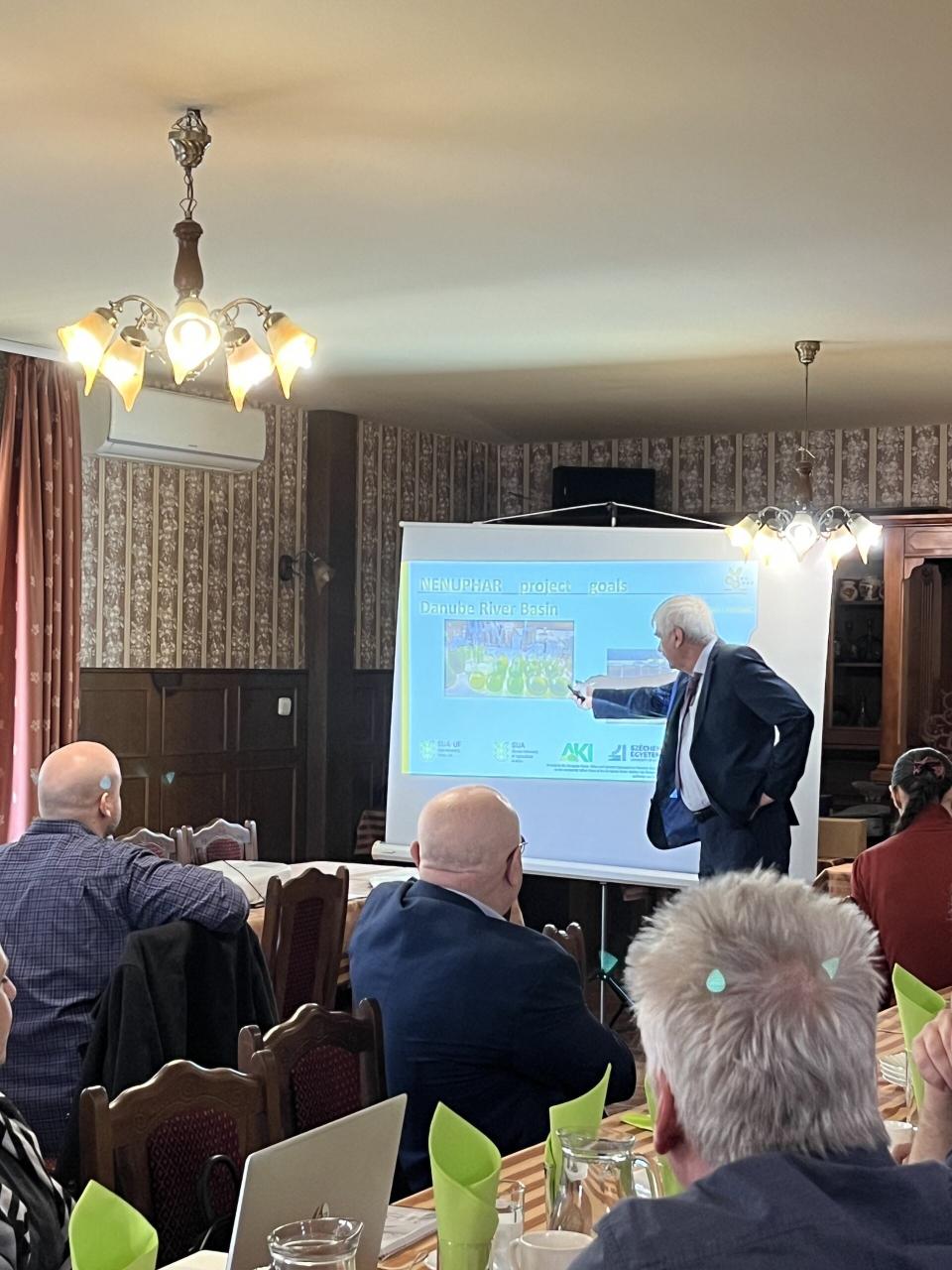
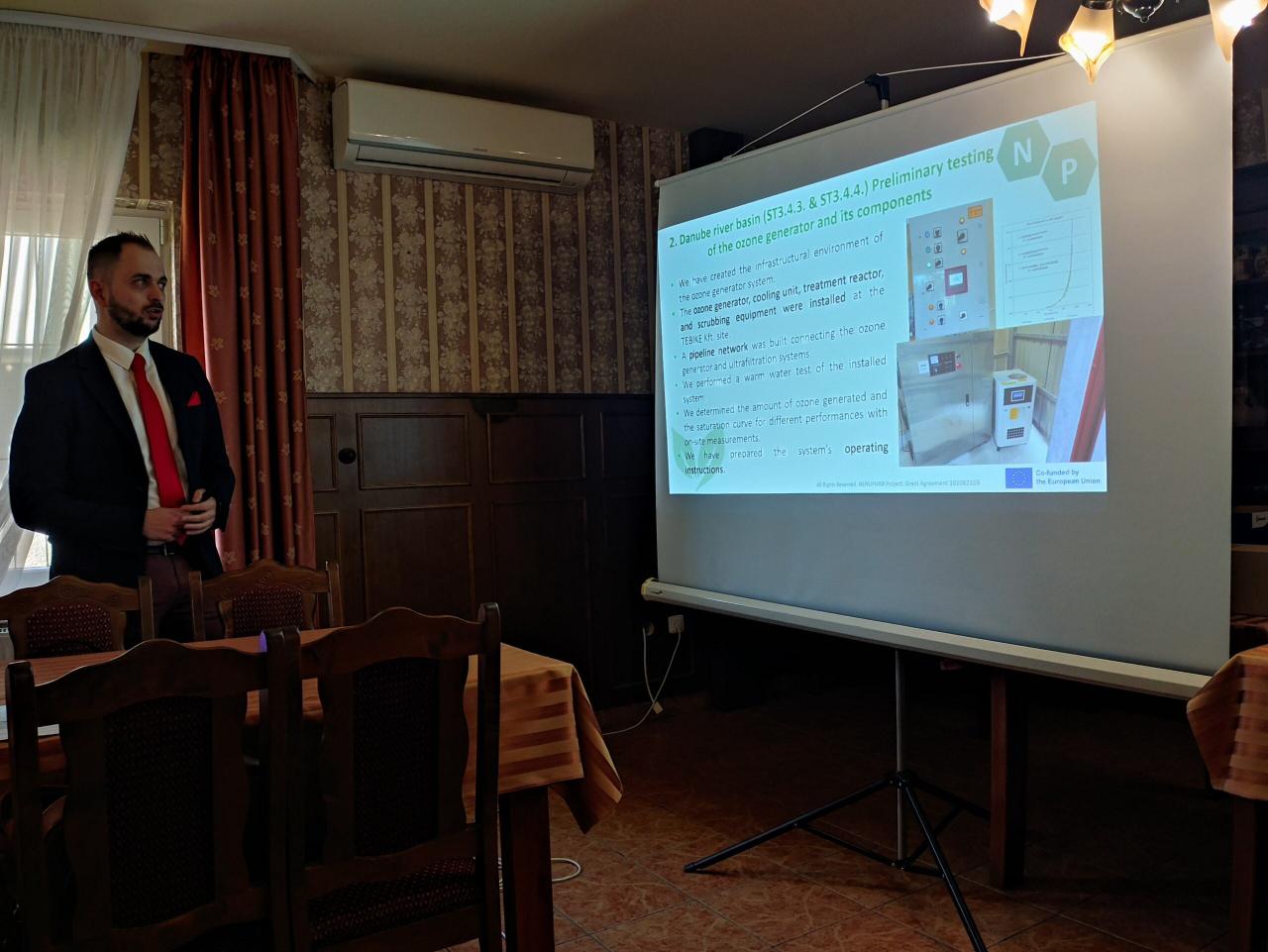
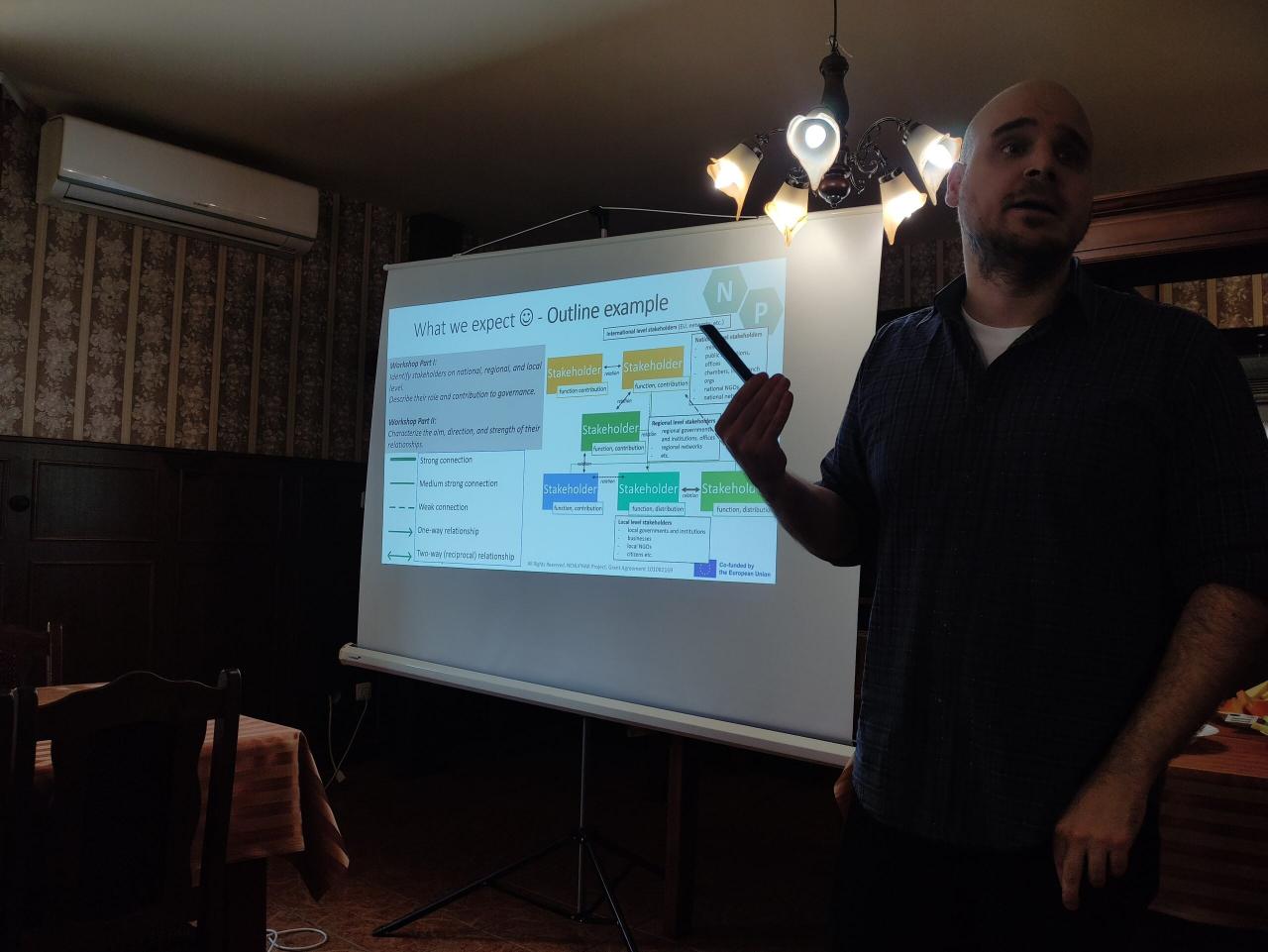
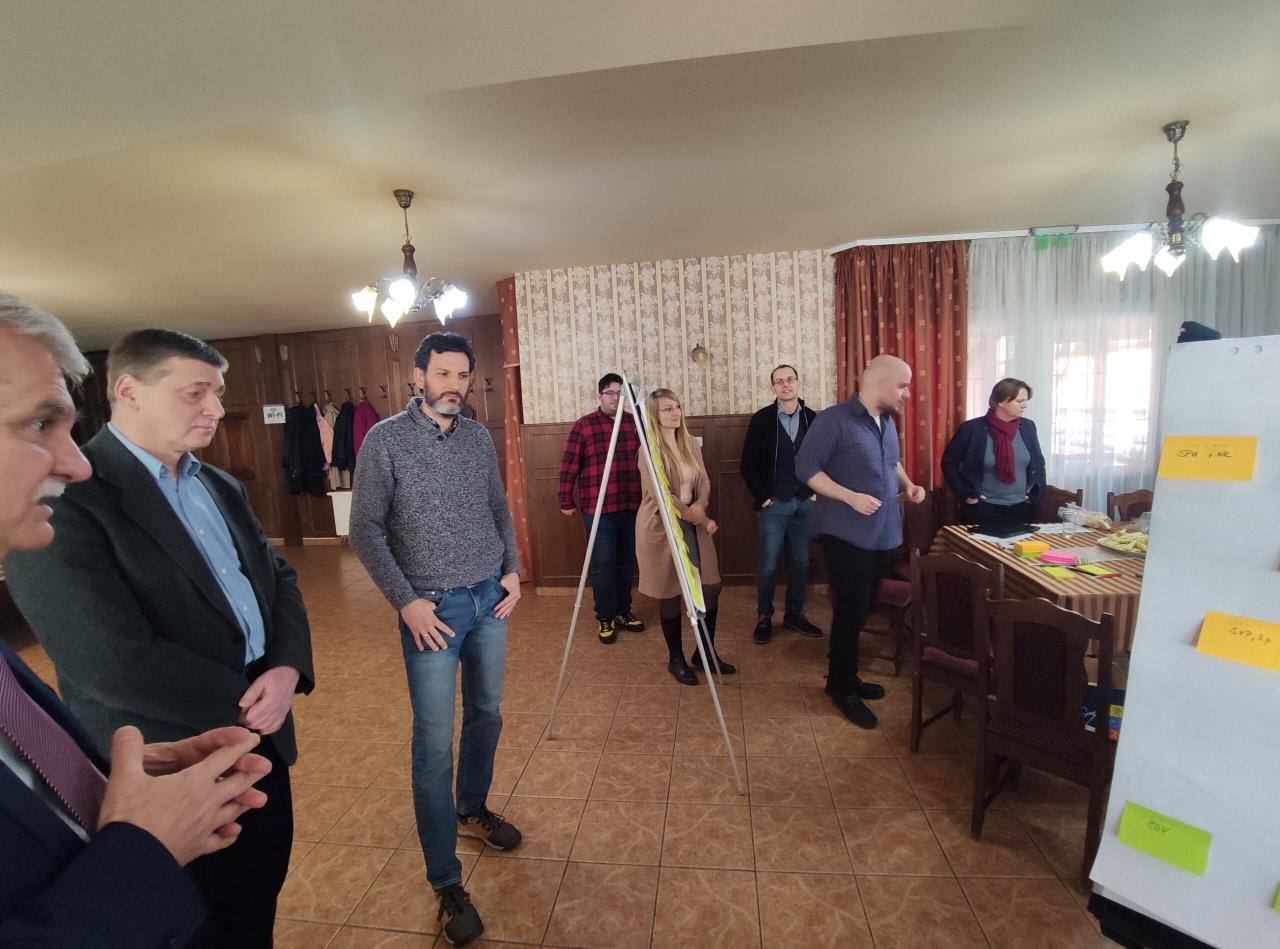
After welcoming the participants from Hungary and Slovakia in English, the workshop commenced with a brief introduction of the project, its tasks and aims and the purpose of Community of Members. The Danube River demo site leaders then provided a briefing on the technological aspects of the technologies being developed at SZE and SUA to improve nutrient recovery from dairy wastewater. To prepare for the activities with stakeholders, AKI explained the concept of governance. The workshop continued in separate groups of Slovak and Hungarian stakeholders so they could work and discuss in their native languages, facilitating the exchange of ideas. As a result, both countries made improvements in the draft of their governance structures. The session also included a more in-depth discussion on experiences, challenges, opportunities and proposals for the future.
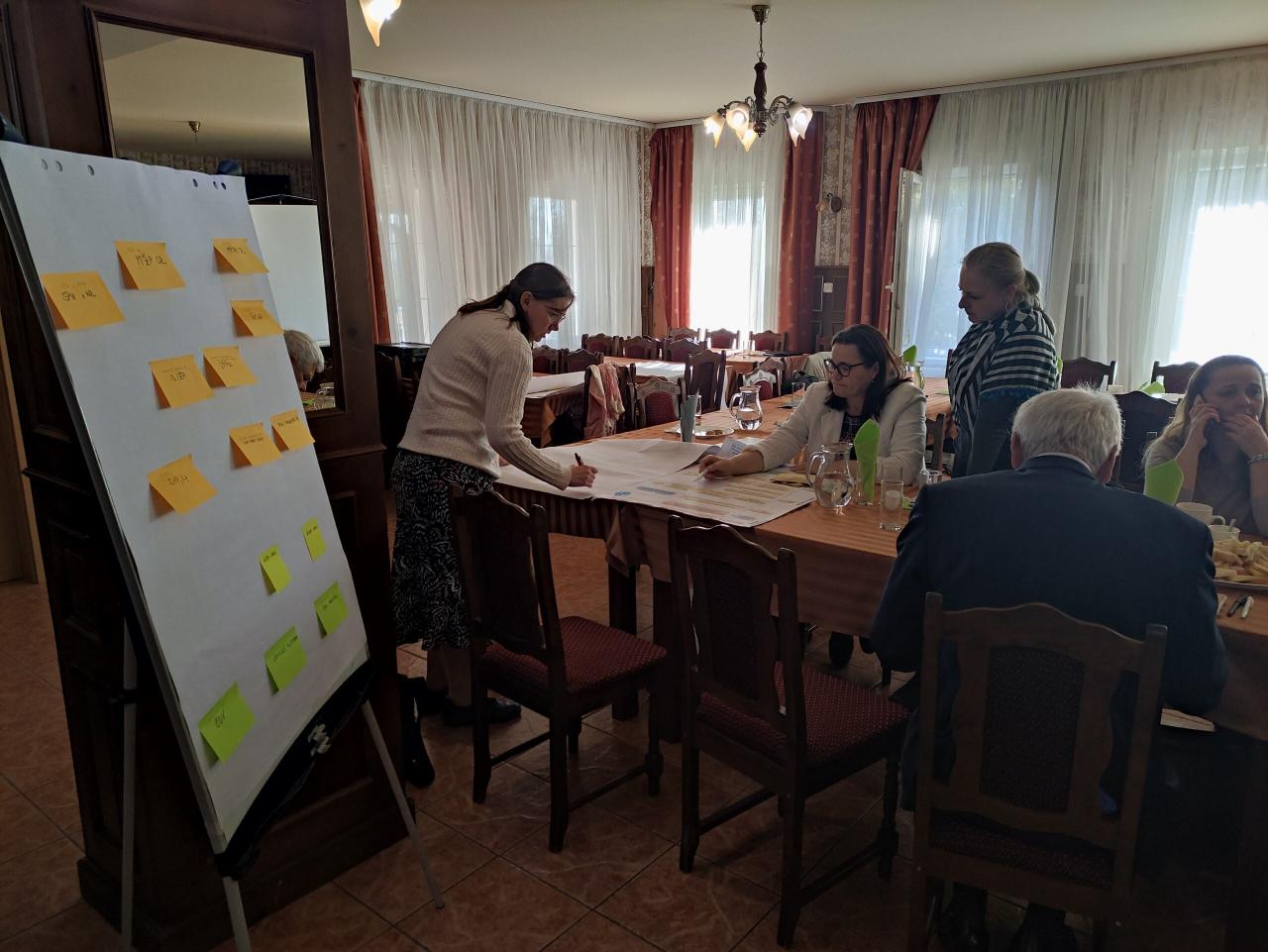
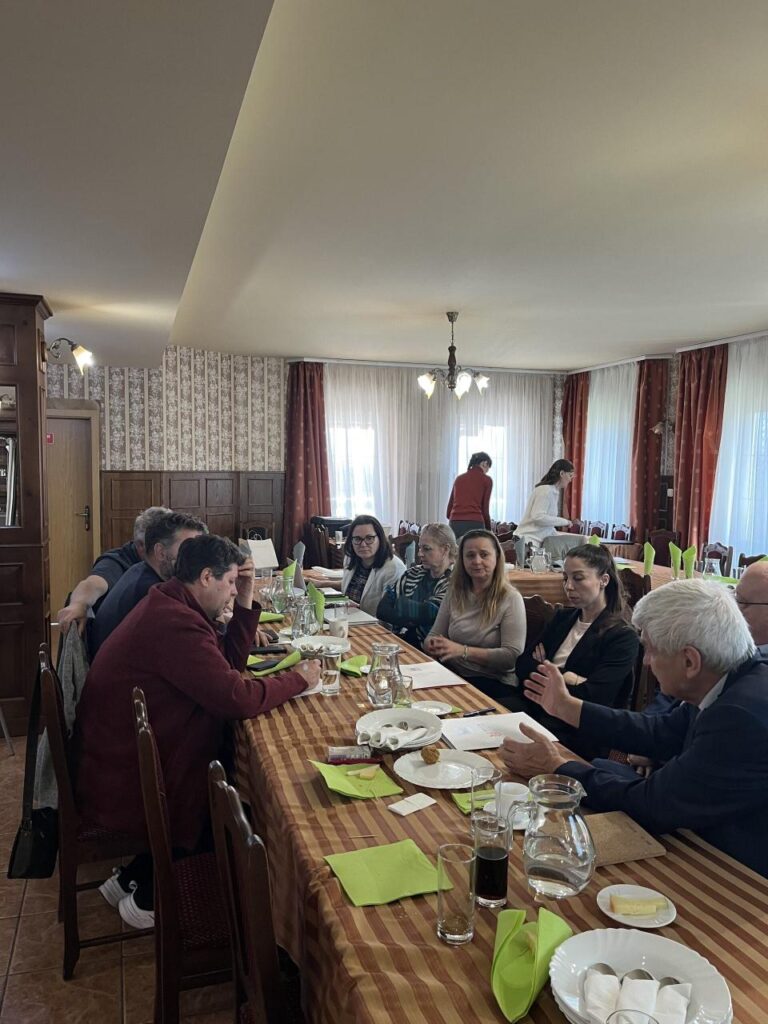
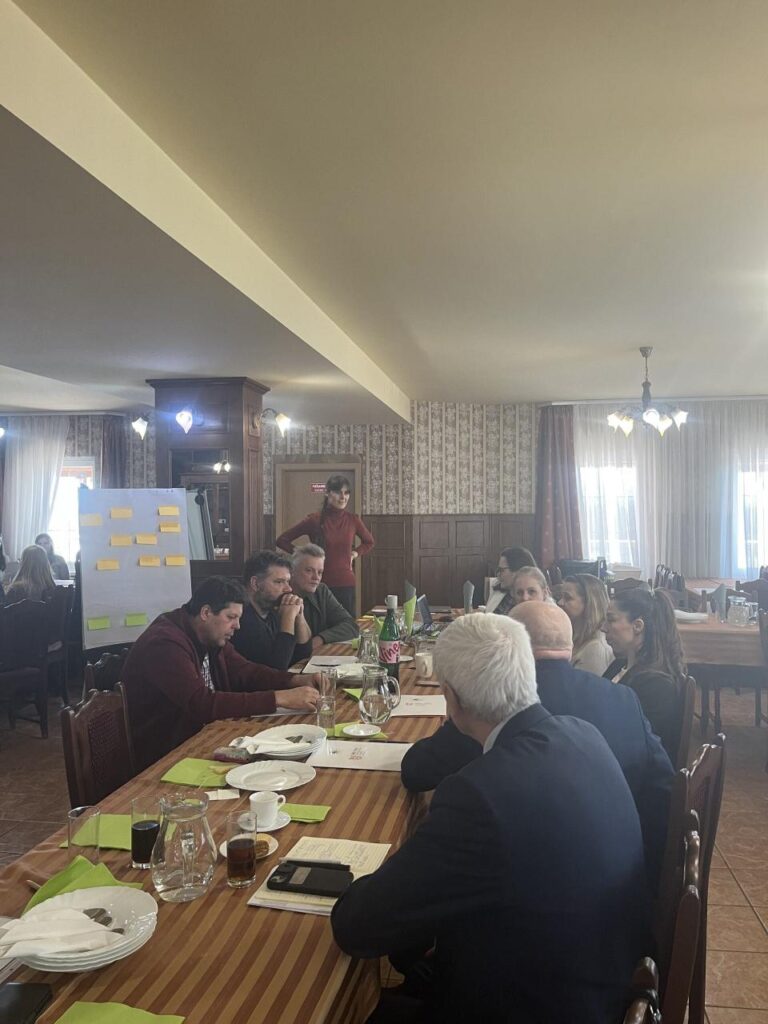
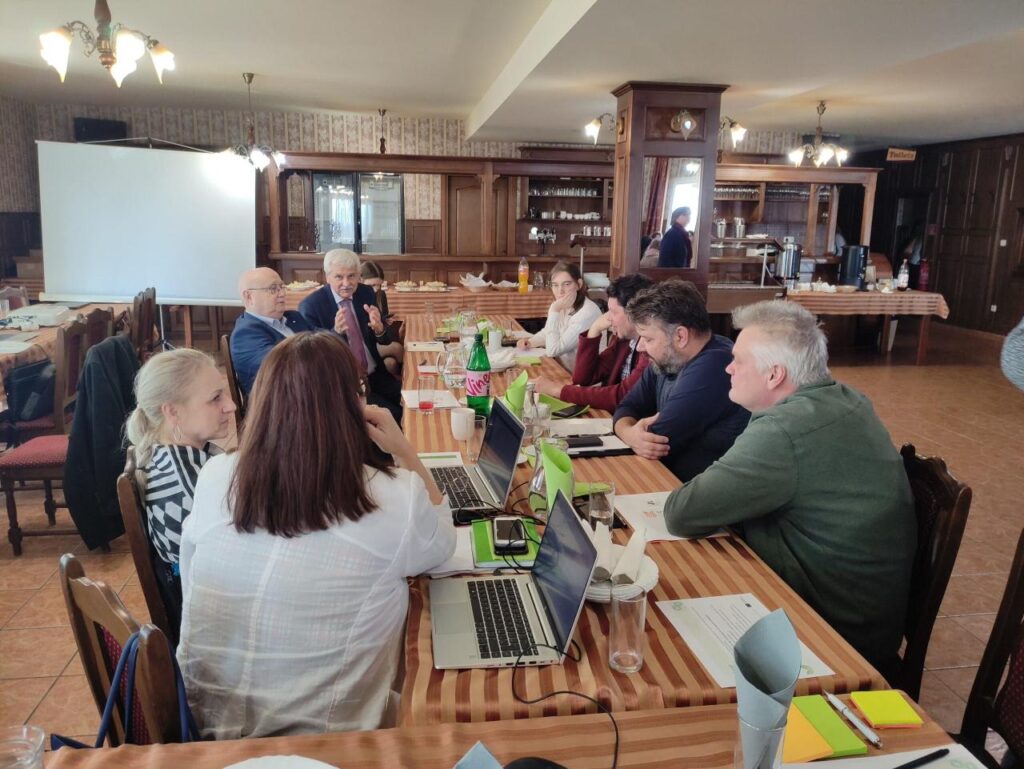
SUA leading workshop activities and discussions with Slovak participants
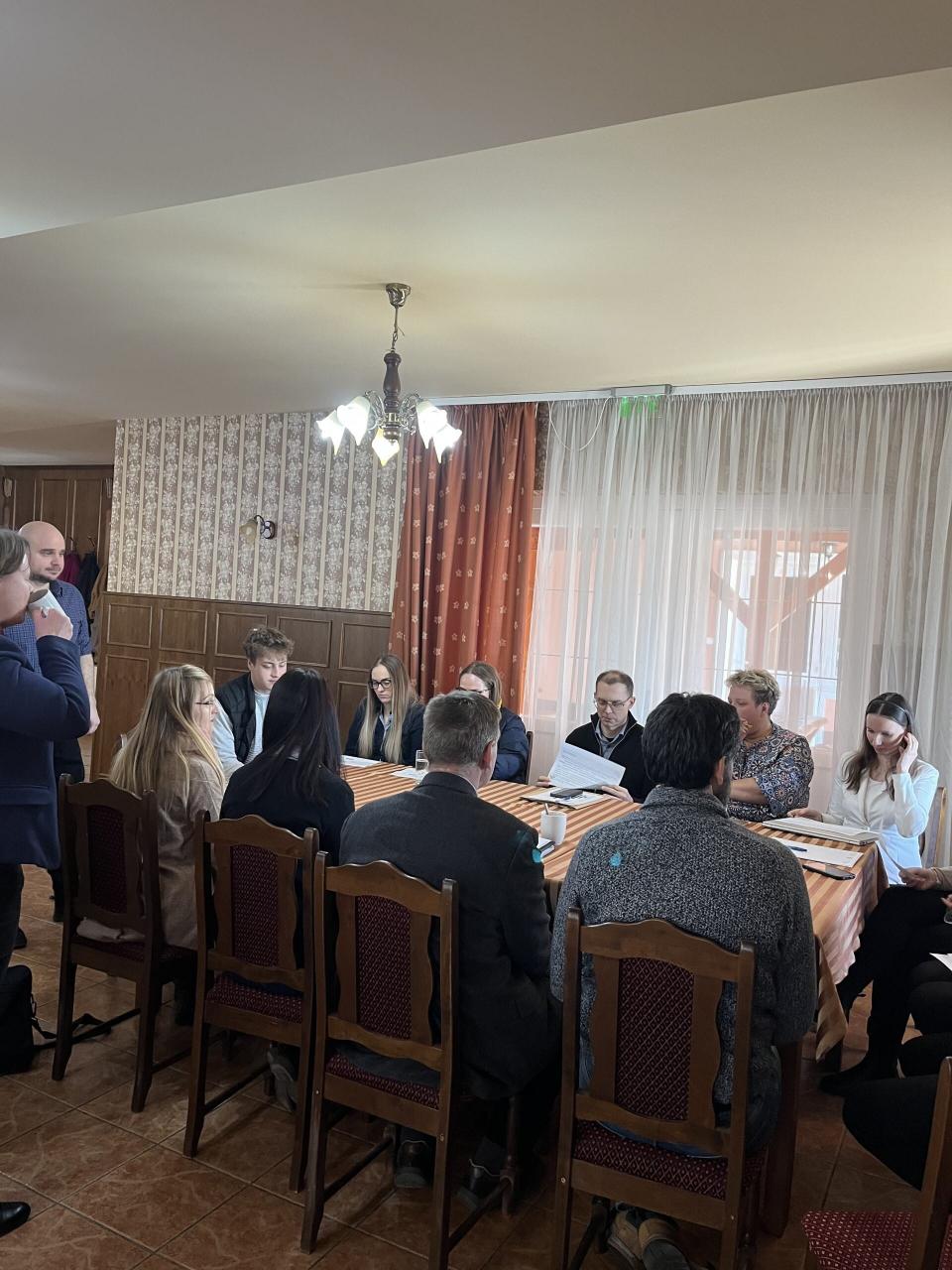
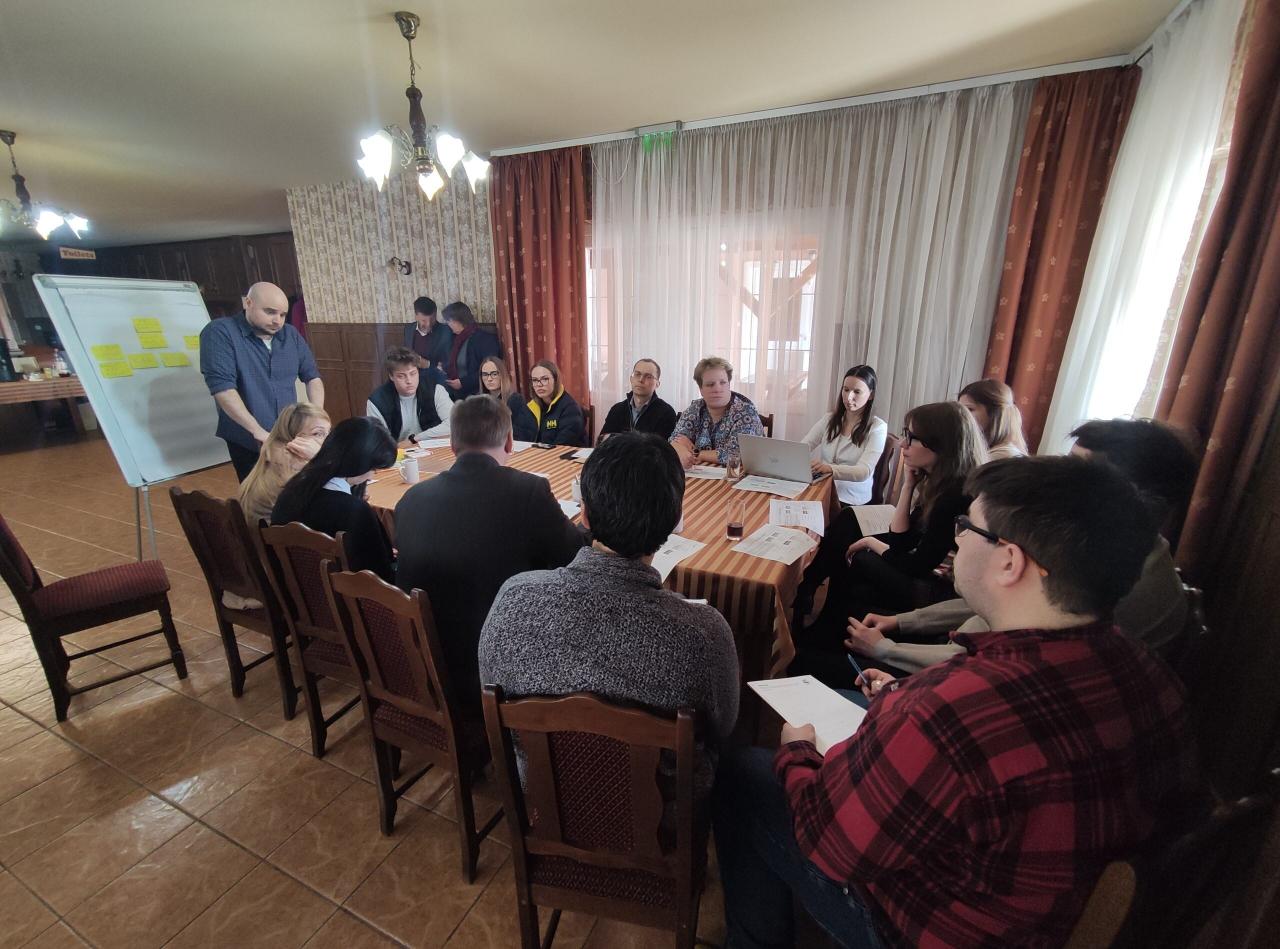
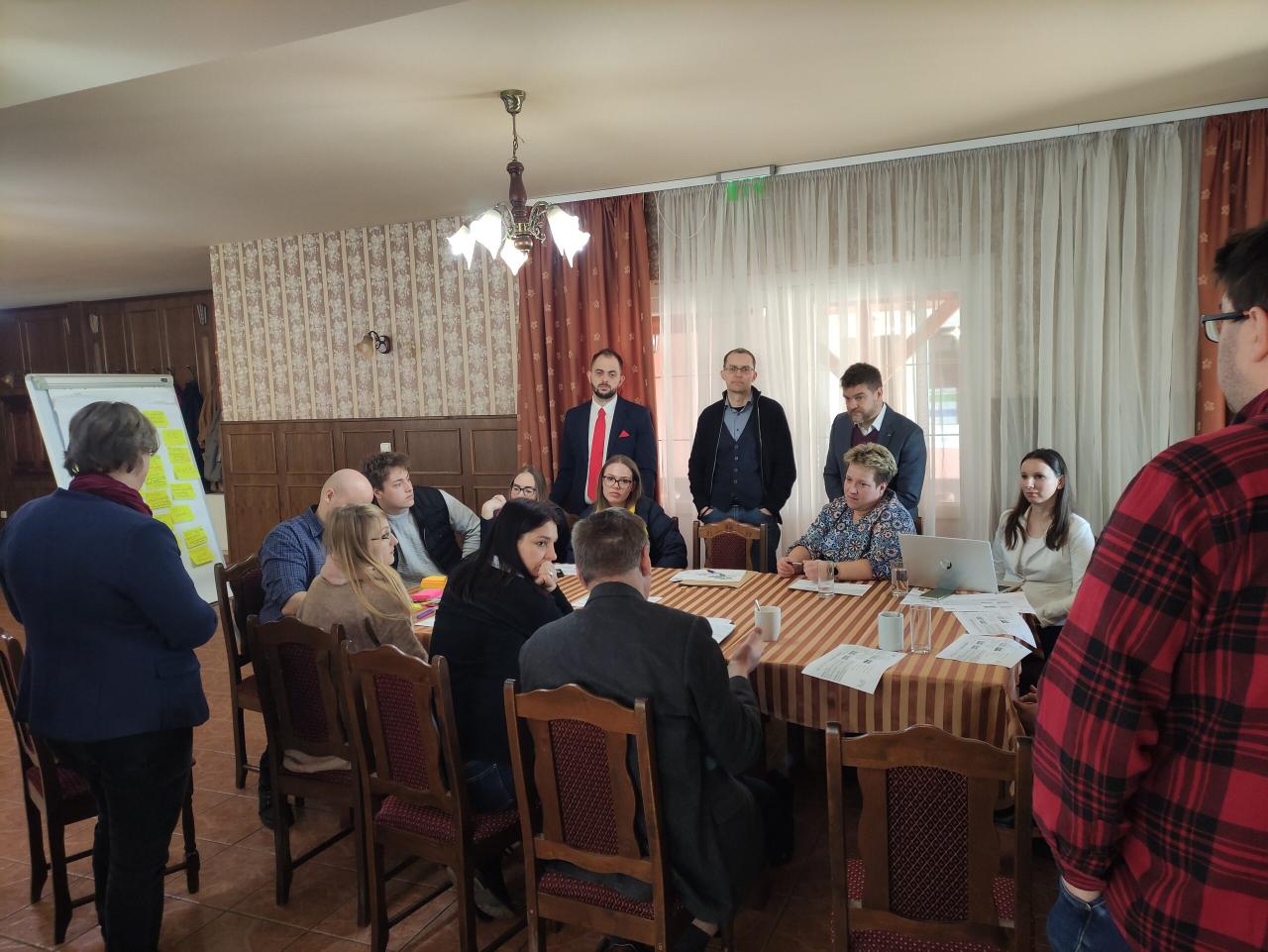
AKI leading workshop activities and discussions with Hungarian participants
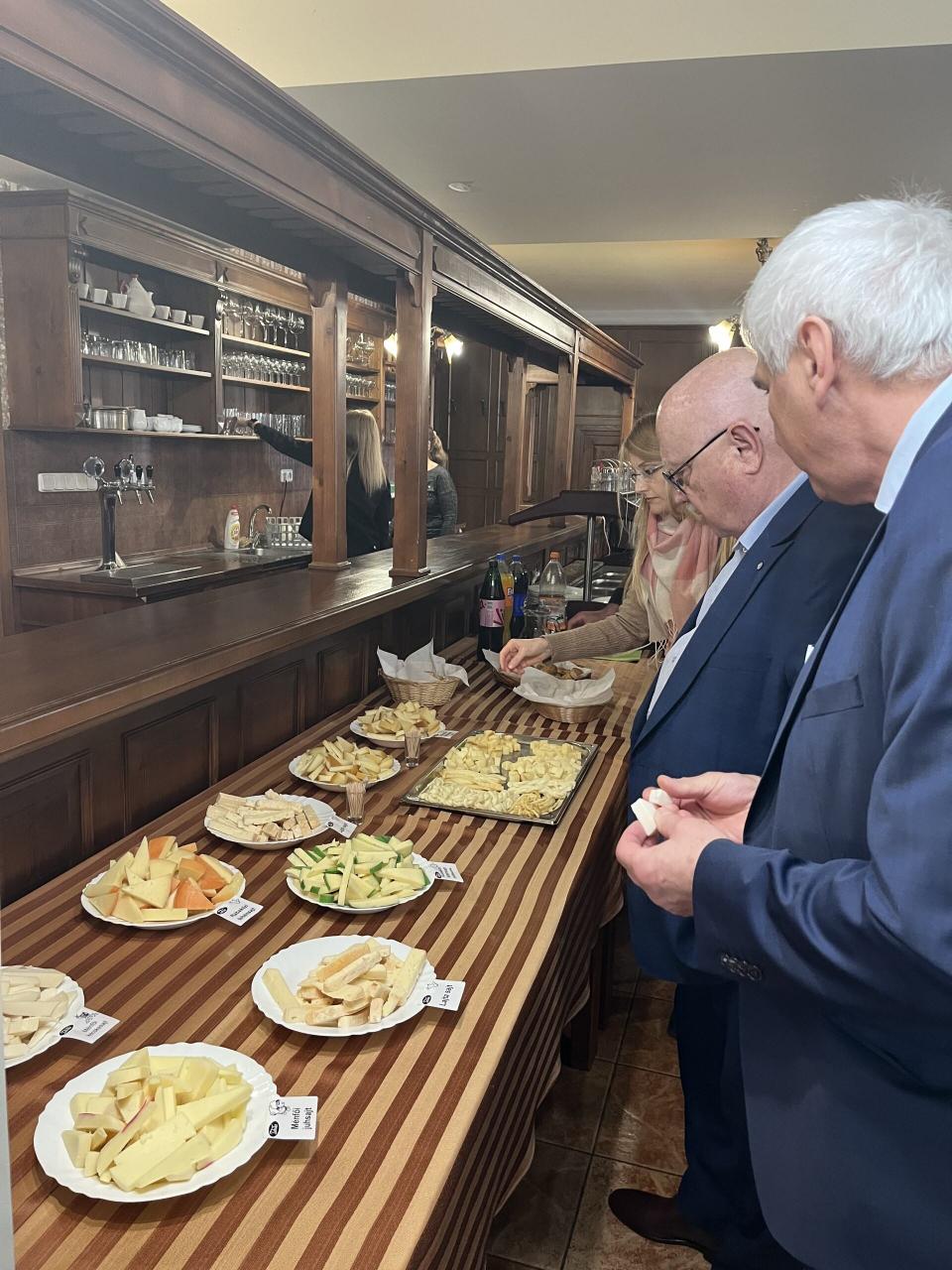
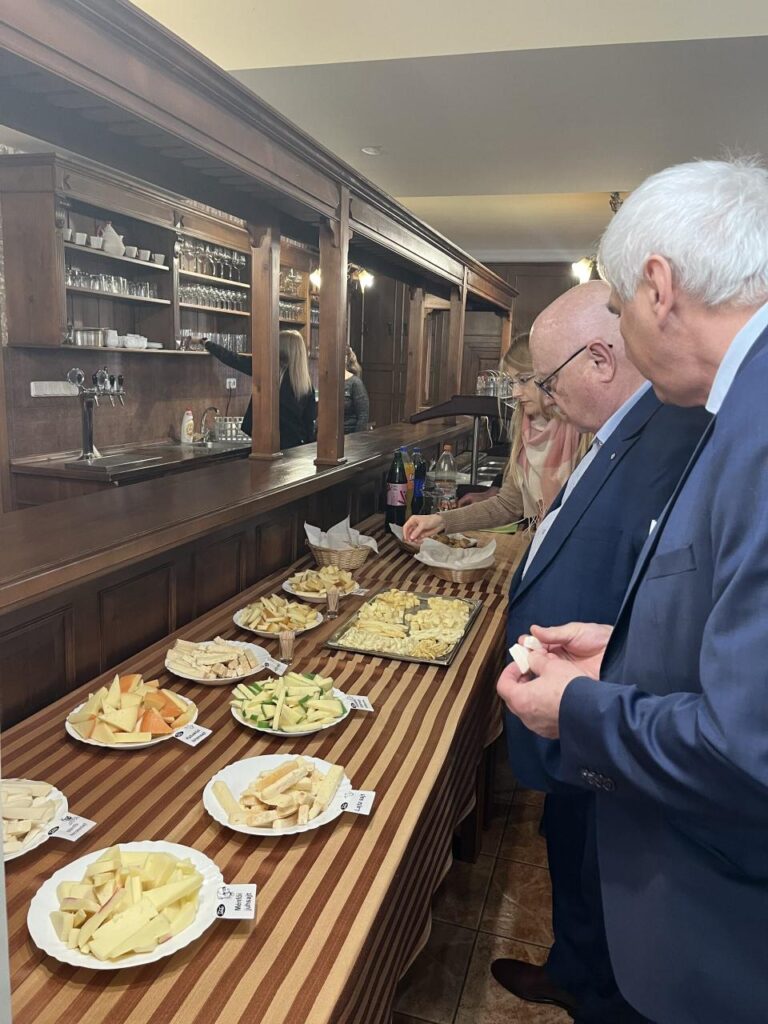
During the break, the participants joined cheese tasting, where they could try the selection of goat, sheep and cow cheese produced by Hungarian demo farm TEBIKE Ltd., as well as a selection of Slovak cheese produced by SUA partner dairy companies (LEVICKÉ MLIEKÁRNE, a. s., MILSY a.s and Tami, a. s.).
Finally, the joint discussion focused on comparing the results obtained in the Hungarian and Slovak groups and the conclusions and recommendations were formulated. The dynamic part of the workshop was structured into several parts to facilitate a comprehensive understanding of the governance framework for water and nutrient management in the Hungarian and Slovak parts of the Danube River Basin.
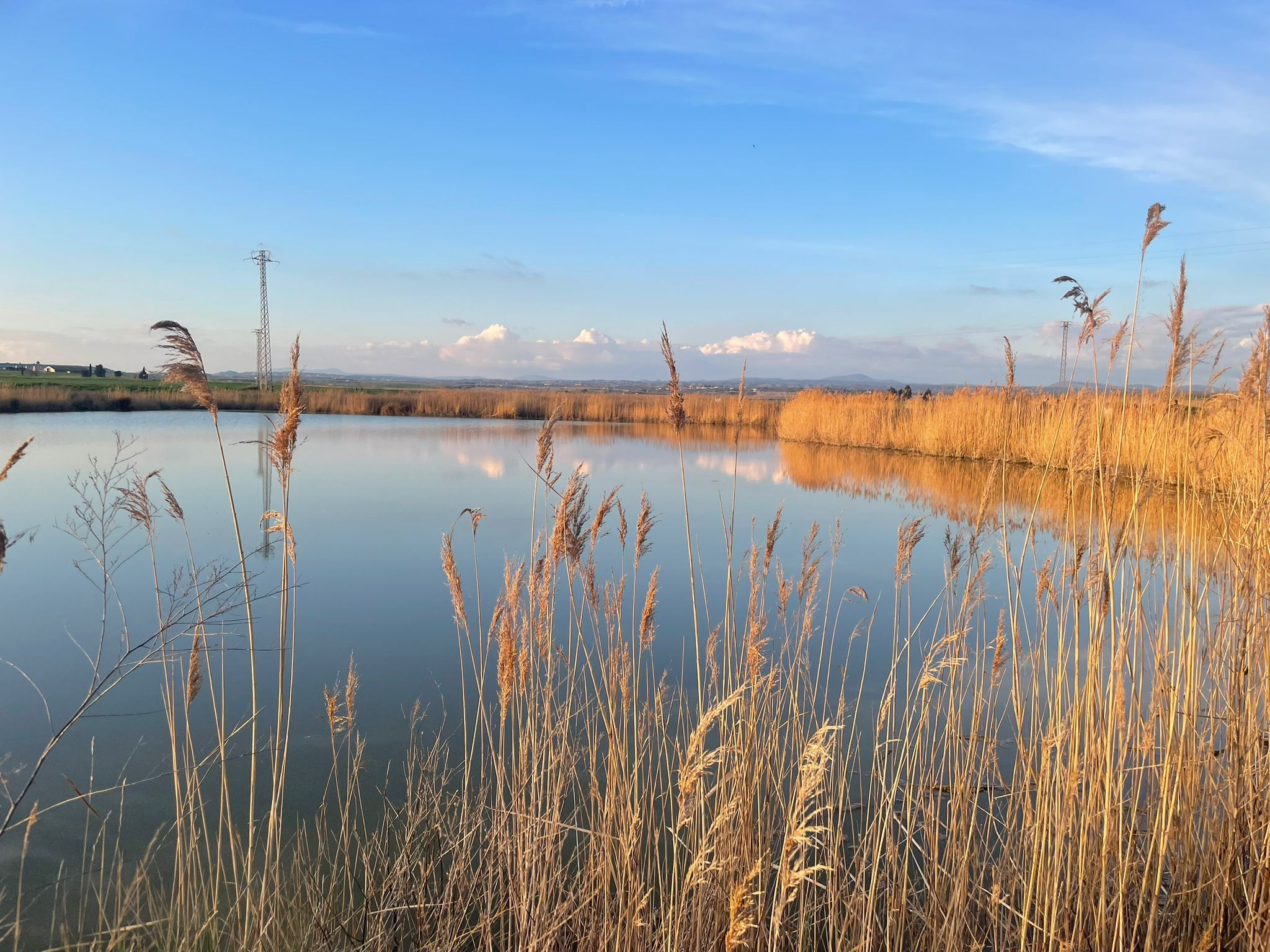
The attendees working in their national groups helped the organizers to identify the missing actors in their governance structures, helped to define the strength of their cooperation and based on their experiences identified the main obstacles and limitations of efficient management of water and nutrients in DRB. Further discussions were facilitated also by a demonstration of the nature-based technology of N and P recovery from wastewater coming from dairy production.
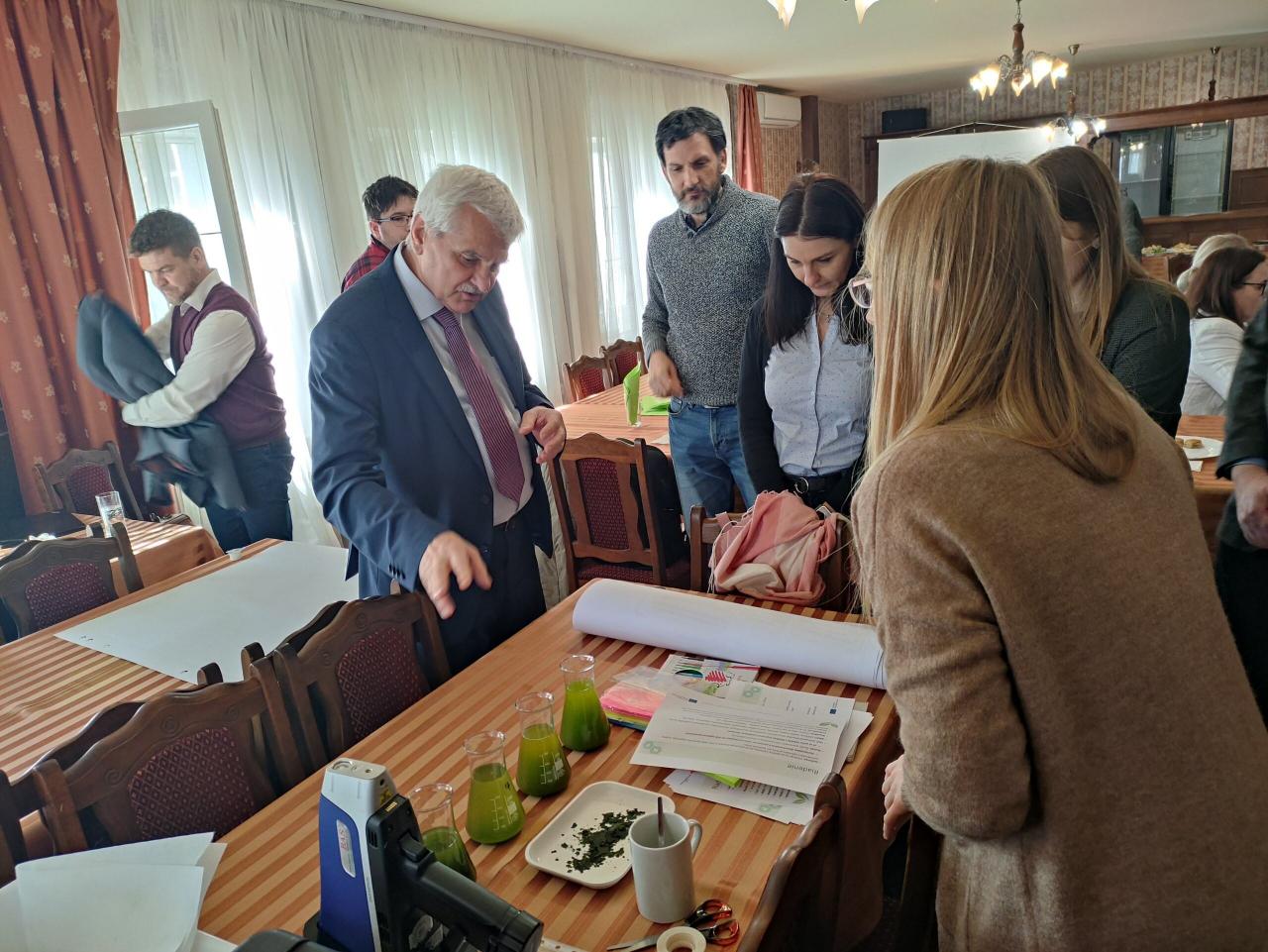
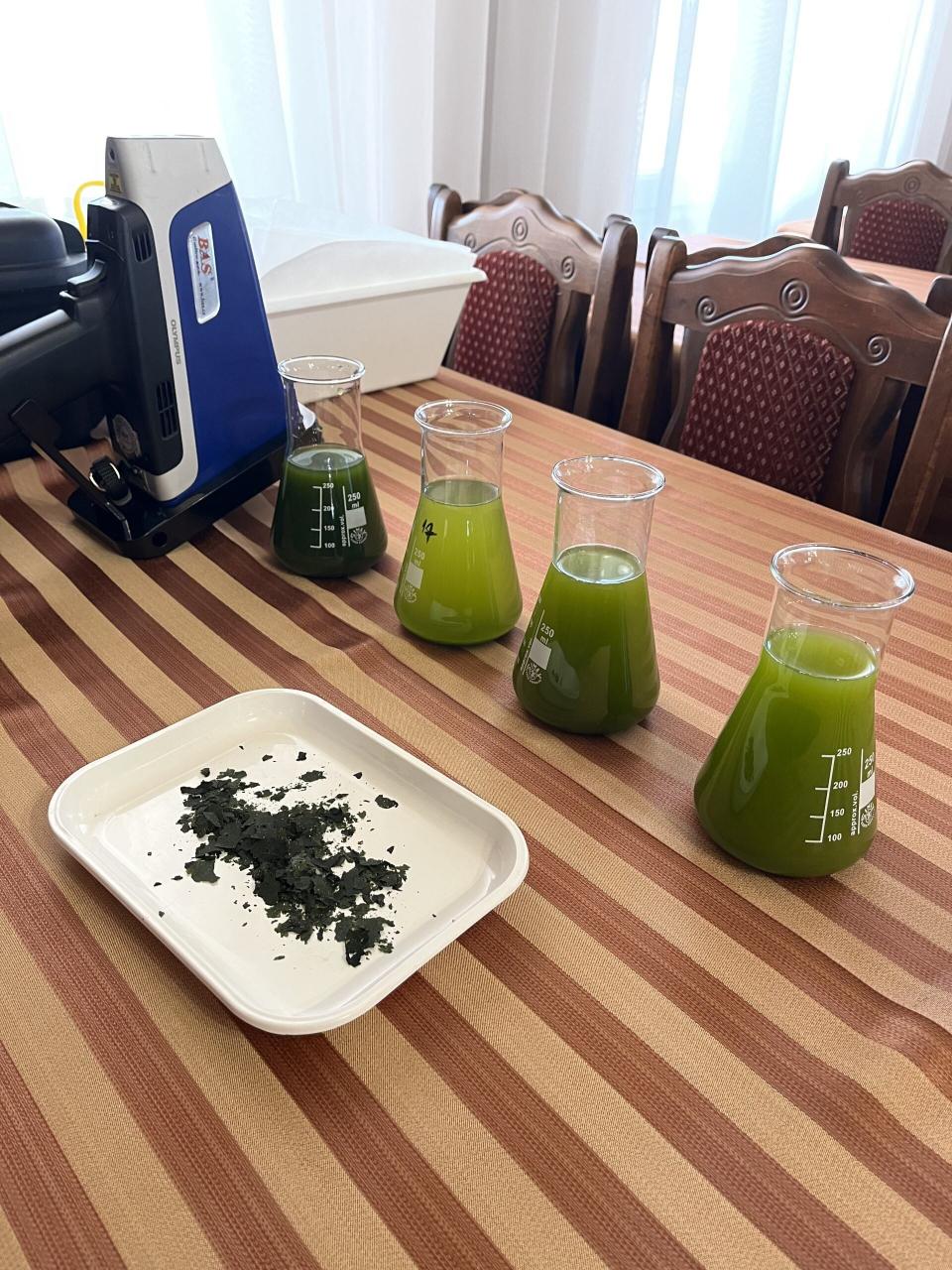
Prof. Jurík (SUA) explaining the role of algae in N and P recovery technology
𝗞𝗲𝘆 𝗵𝗶𝗴𝗵𝗹𝗶𝗴𝗵𝘁𝘀 𝗶𝗻𝗰𝗹𝘂𝗱𝗲𝗱:
- Technological briefings on nutrient recovery from dairy wastewater
- Stakeholder-driven discussions on governance structures for efficient nutrient management
- Collaboration between Slovak and Hungarian groups to tackle challenges in water management, outdated legislation, and fertiliser application
The event concluded with powerful recommendations for aligning legislation and enhancing public interest in water quality and nutrient management to ensure sustainable agricultural practices across the Danube River Basin.