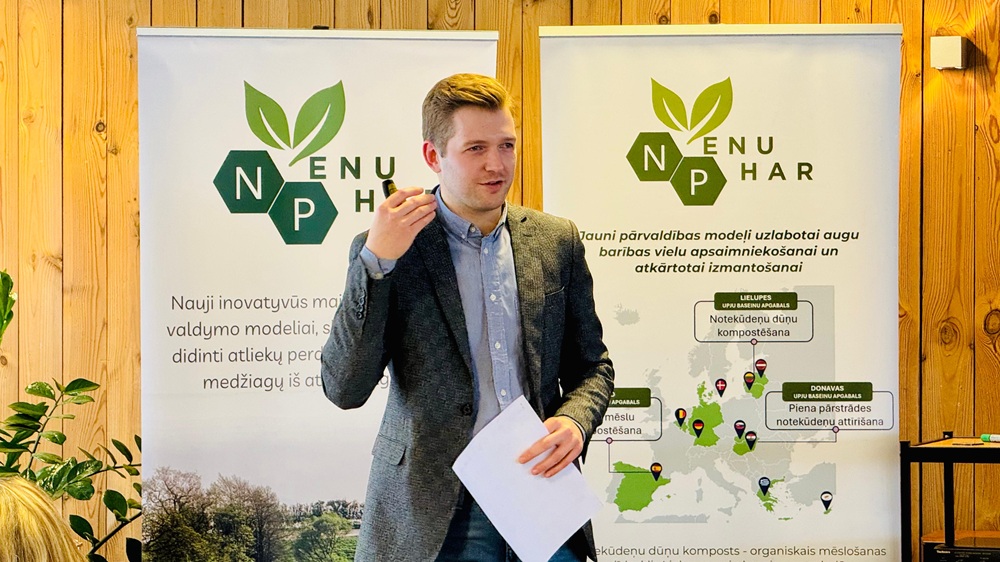
Binéfar, Spain – 10 and 11 March 2026 — Researchers, policymakers, and agricultural stakeholders came together in Spain for two intensive days of exchanges and field activities as part of the NENUPHAR project’s General Assembly 2026 and the Ebro Community of Members meeting, reinforcing efforts to tackle nutrient pollution across Europe.
The gathering marked a key milestone as the project entered its final year, offering partners the opportunity to reflect on progress, align on upcoming priorities, and strengthen collaboration around one of Europe’s most pressing environmental challenges: nutrient pollution from intensive livestock farming.
General Assembly sets the course for the final project phase
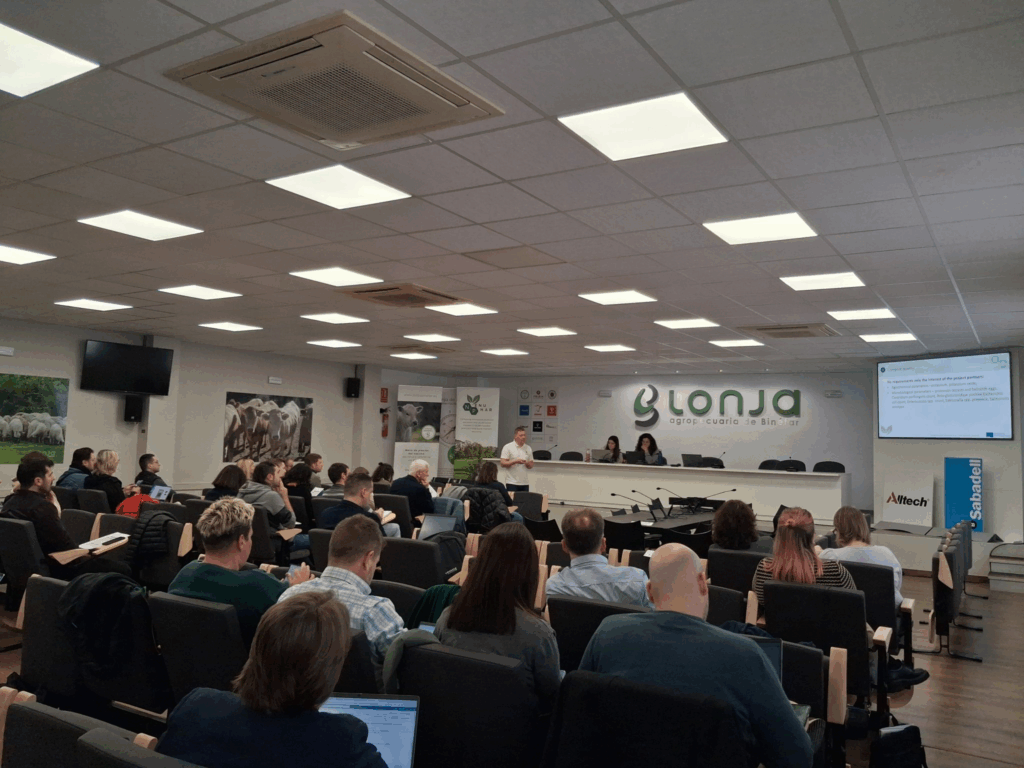
The General Assembly brought together the full consortium in Binéfar, providing a platform to review achievements from the past year and define the roadmap ahead. Discussions focused on scaling up solutions developed within the project and maximising their impact at regional and European levels.
Particular attention was given to the Ebro River Basin demo site, where partners have been testing innovative approaches to better manage nutrient pollution, especially from pig manure — a major source of nitrogen emissions in the region and across Europe.
The discussions highlighted the need to balance environmental protection with farmers’ livelihoods, emphasising solutions that are both practical and scalable. Partners reiterated the project’s ambition to contribute to healthier aquatic ecosystems, improved water quality, and more resilient rural communities.
See more on Linkedin
Field visit showcases solutions in practice

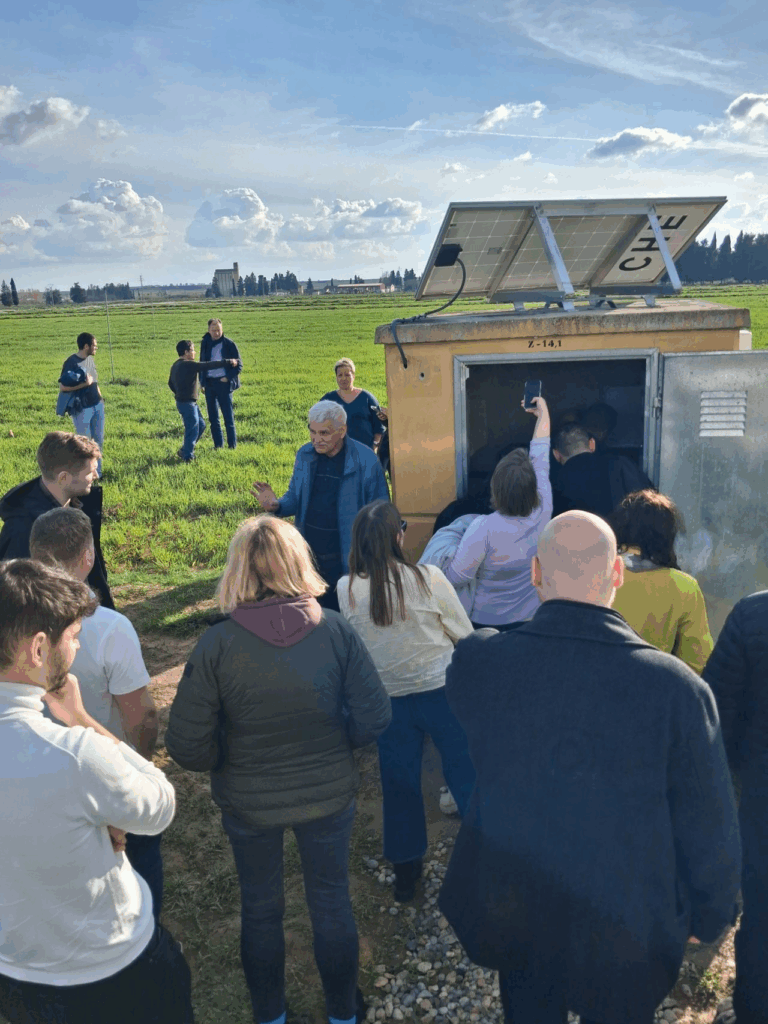
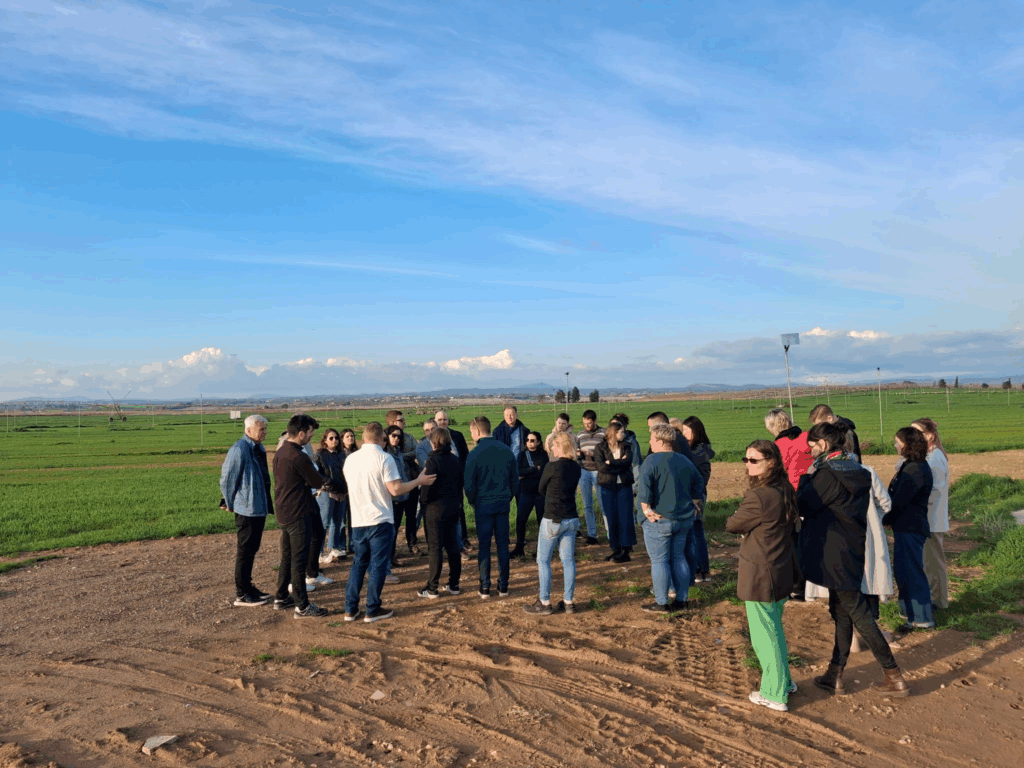
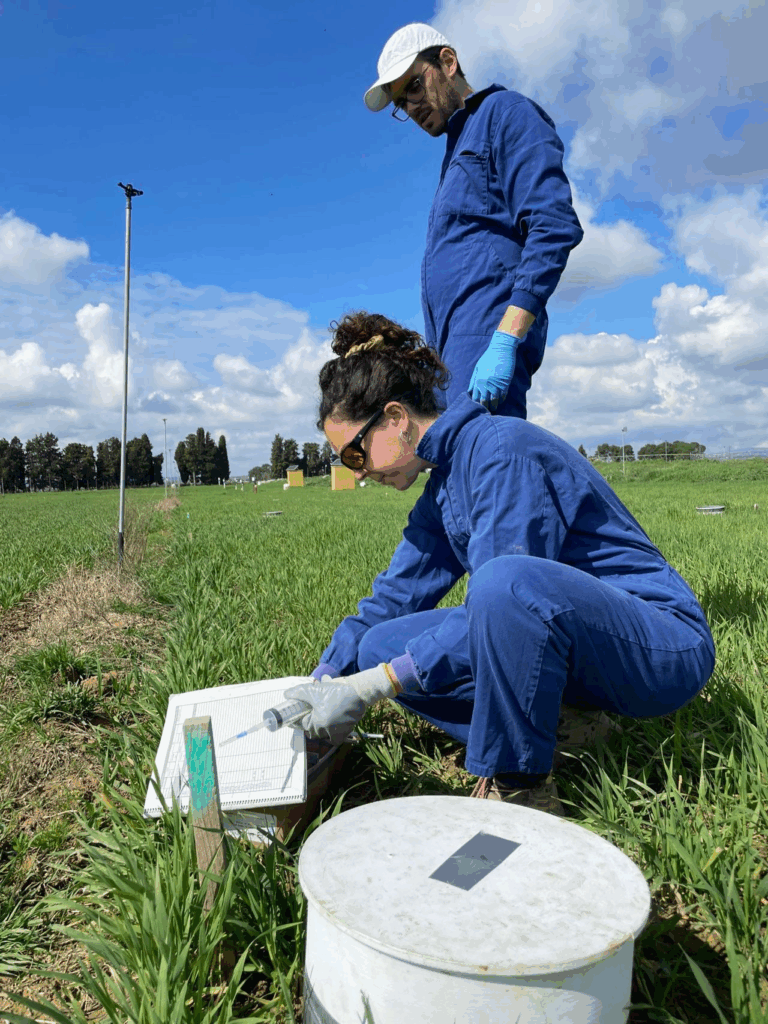
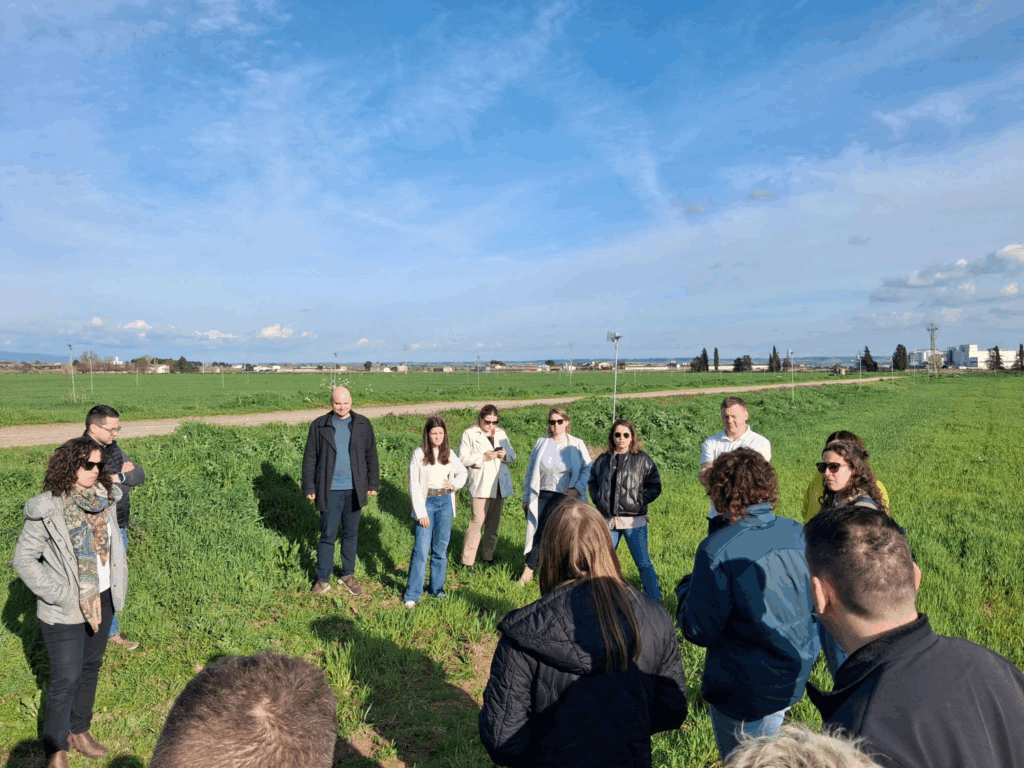
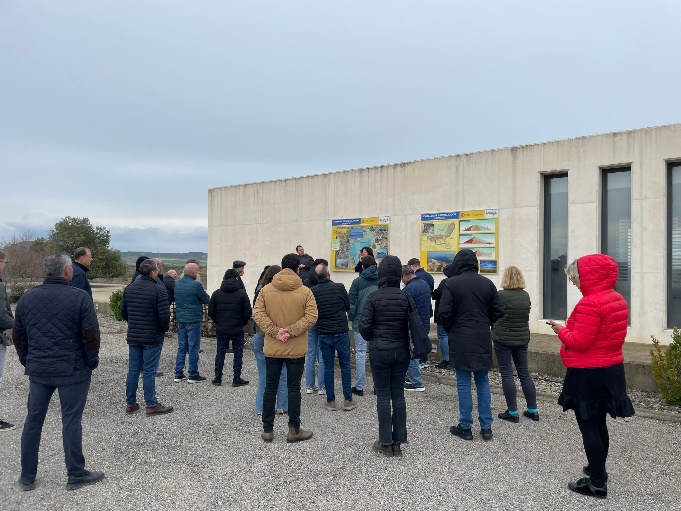
A key highlight of the week was a field visit to La Melusa, a 500-hectare experimental site made available by the Ebro Hydrographic Confederation. Located in the irrigated agricultural area of the Aragón–Cataluña canal, the site lies within a designated Nitrates Vulnerable Zone, making it a critical testing ground for nutrient management strategies.
The Ebro Basin demo activities span a much larger territory — approximately 104,000 hectares — encompassing around 3,000 agricultural and industrial facilities and more than 20,000 farmers.
Participants observed how research translates into practice on the ground, including:
- Monitoring of nitrogen levels in groundwater using innovative sensing technologies
- Implementation of nature-based solutions, such as reed beds along irrigation canals to absorb excess nitrogen and improve water quality
The visit also highlighted the challenges associated with nutrient management. Heavy rainfall events have affected the natural filtration capacity of wetlands, underscoring the importance of a well-functioning water cycle. Discussions pointed to the need for systemic approaches, including sustainable livestock densities, to effectively address pollution at its source.
See more on Linkedin
Stakeholders gather for the Ebro Community of Members
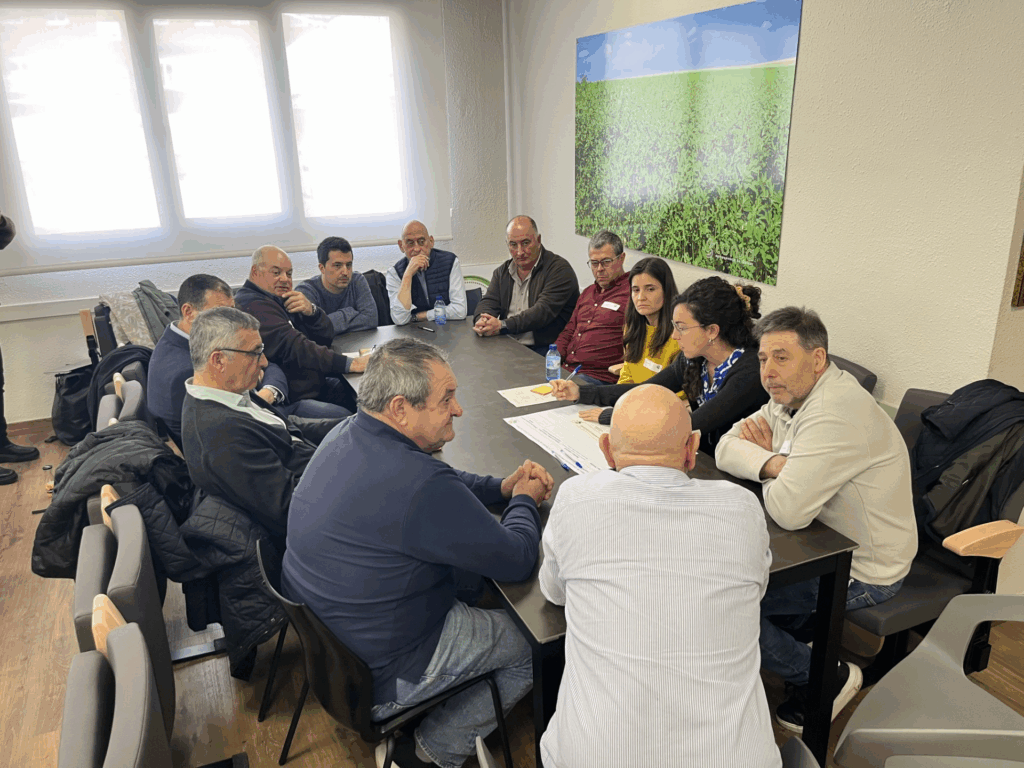
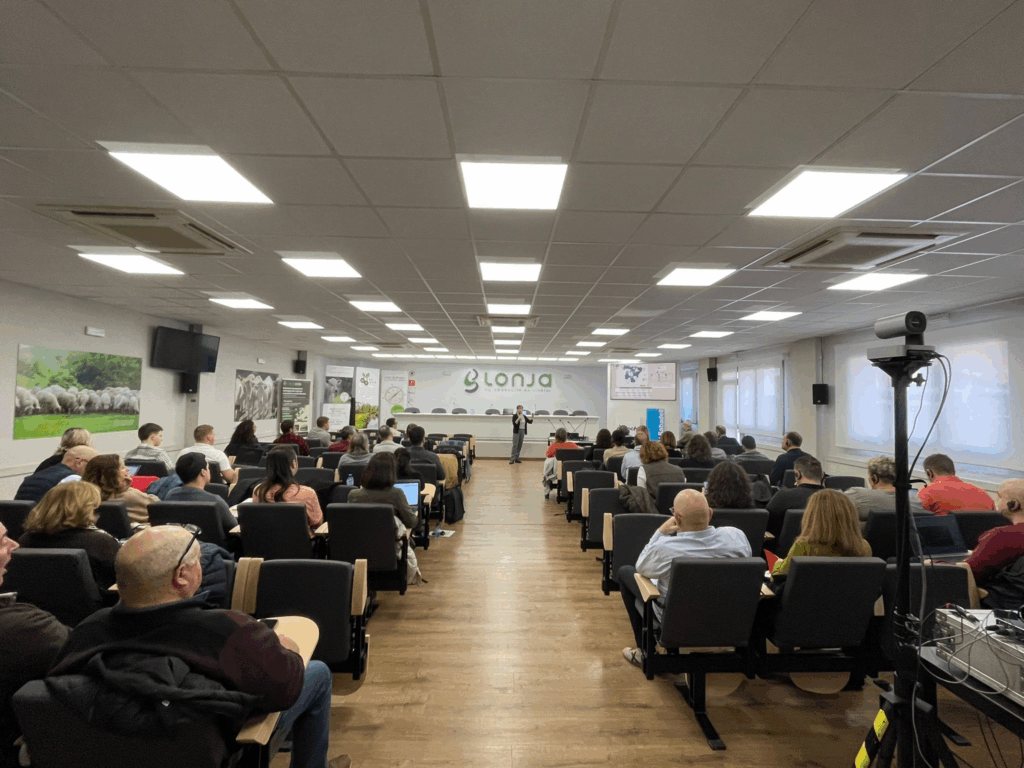
The week also featured the second meeting of the Ebro Community of Members (CoM) bringing together around 60 participants from public authorities, the agricultural sector, research organisations, and other key actors.
The session focused on advancing circular nutrient management and exploring business models that can support more sustainable practices at both regional and interregional levels.
Participants were introduced to several initiatives and policy developments:
- The Catalan and Spanish Nutrient Platforms, presented as tools to foster collaboration and knowledge exchange
- The concept of bio-polygons, an innovative territorial approach to nutrient management
- The evolving EU regulatory framework for RENURE (Recovered Nitrogen from Manure), alongside practical insights from ongoing projects
An interactive session allowed stakeholders to exchange views on the main challenges and opportunities for improving nutrient governance in the Ebro Basin, with a strong emphasis on collaboration and cross-sectoral dialogue.

See more on Linkedin
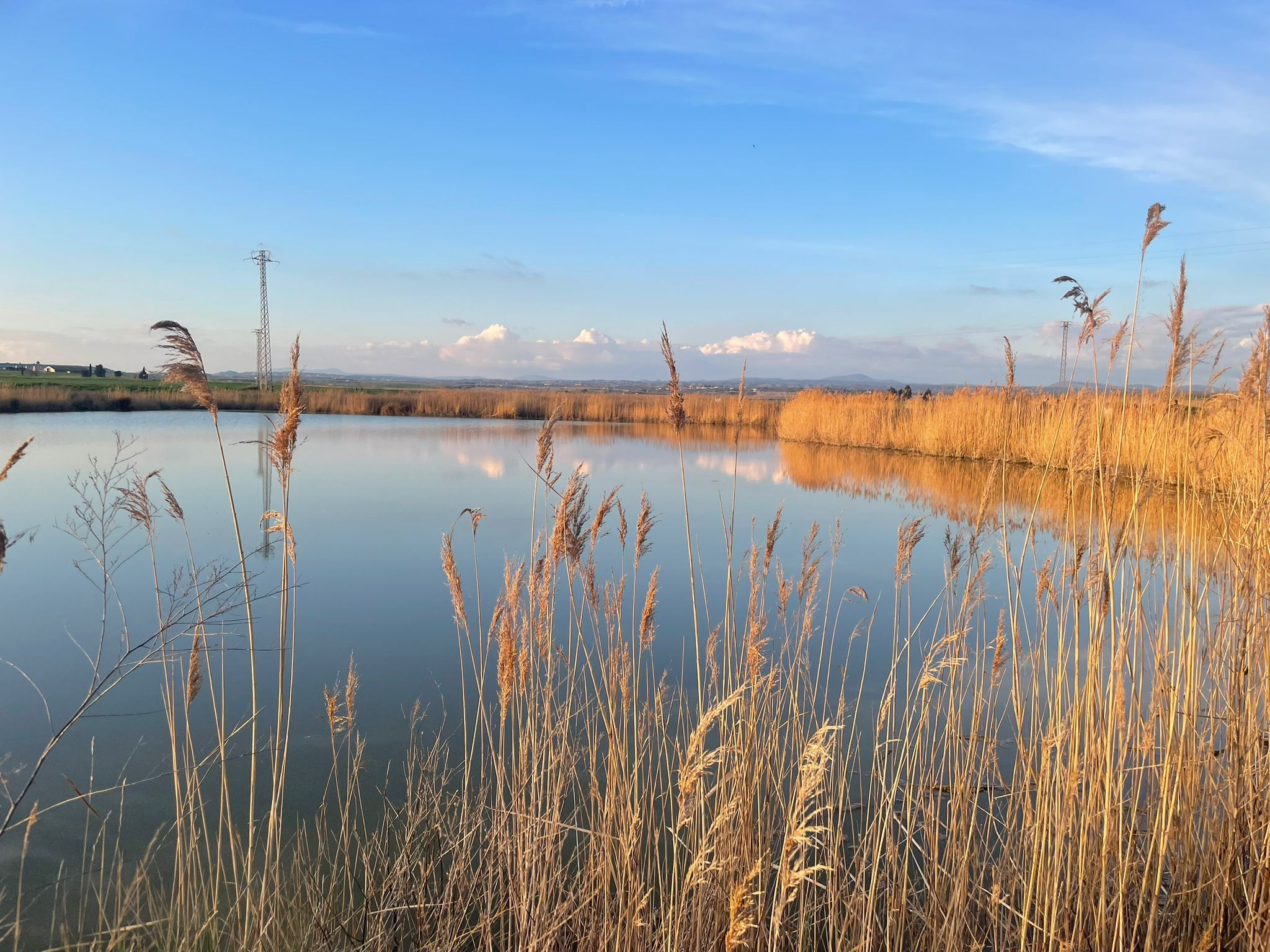
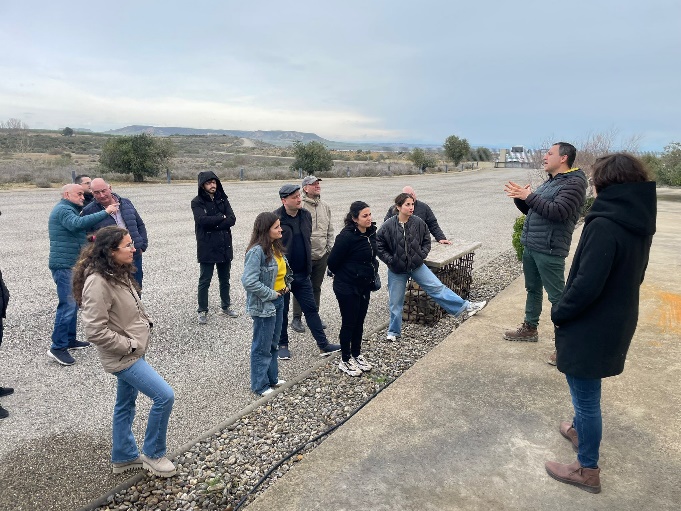
Field visit to the San Salvador Reservoir
The San Salvador Reservoir (Embalse de San Salvador), located near Binaced (Huesca), is a key regulating infrastructure for the Canal de Aragón y Cataluña irrigation system. It stores and regulates water to secure supply and improve irrigation performance across the command area, serving around 22,400 hectares and increasing the system’s irrigation allocation. The reservoir has a total storage capacity of 136 hm³, a surface area of approximately 1,100 ha, and a shoreline perimeter of around 20 km.
Building momentum for sustainable nutrient management
The events in Binéfar demonstrated the importance of combining scientific research, practical implementation, and stakeholder engagement to address nutrient pollution effectively.
As NENUPHAR moves into its final phase, the outcomes of the General Assembly and Community of Members meeting are expected to play a key role in shaping future actions, supporting the transition towards more circular, sustainable, and resilient agricultural systems across Europe.