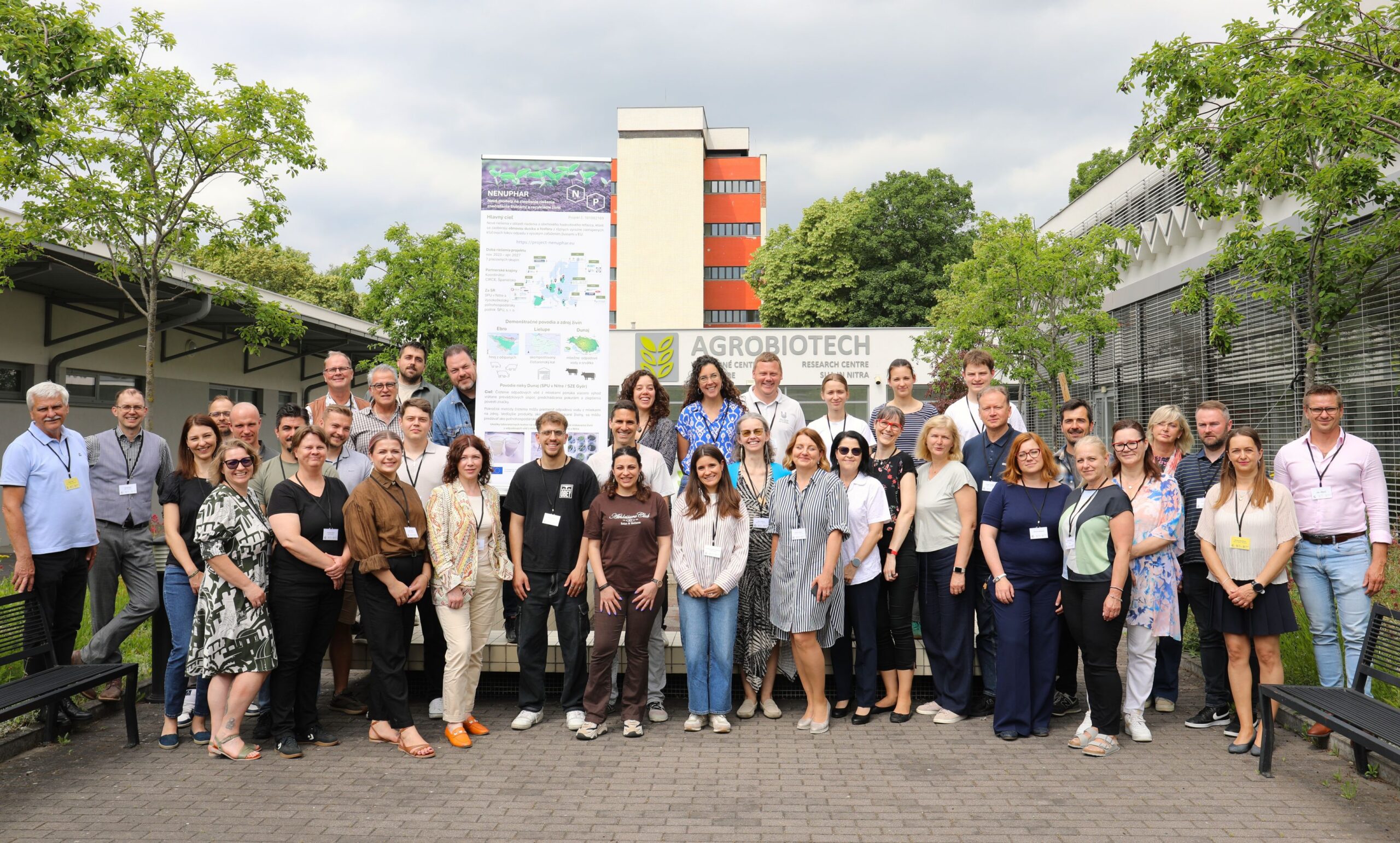
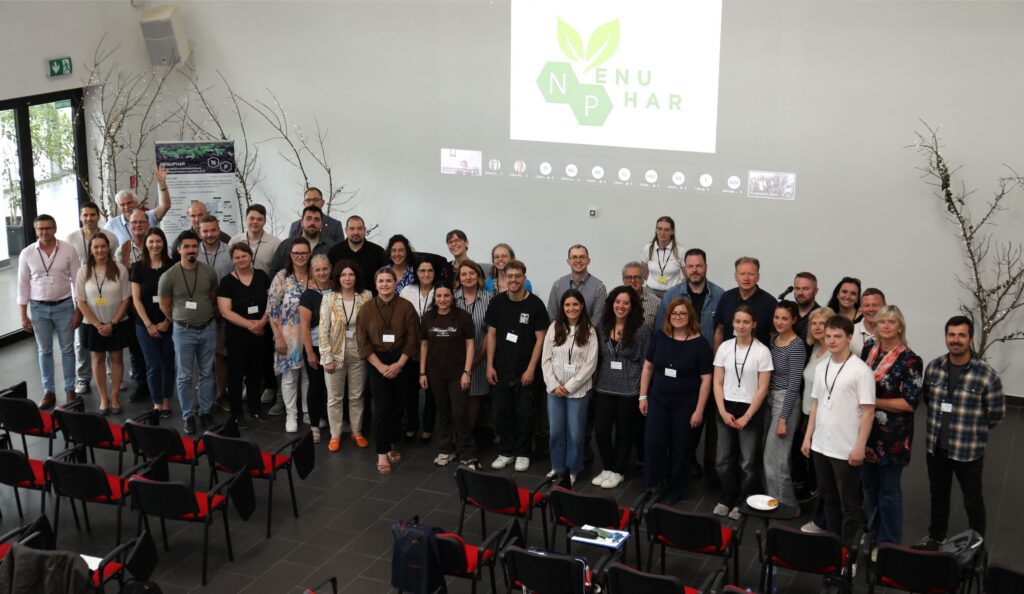
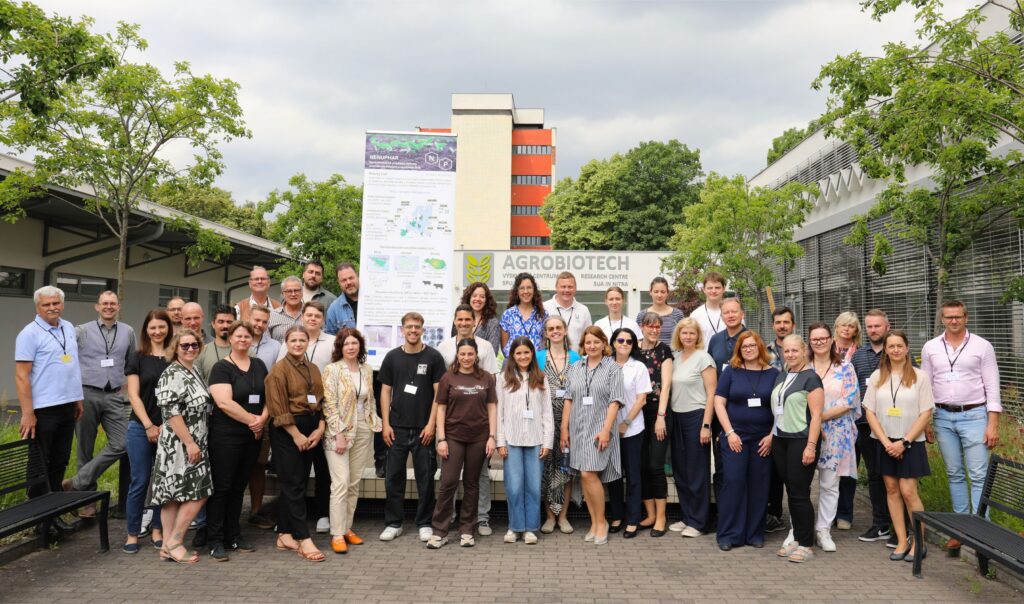
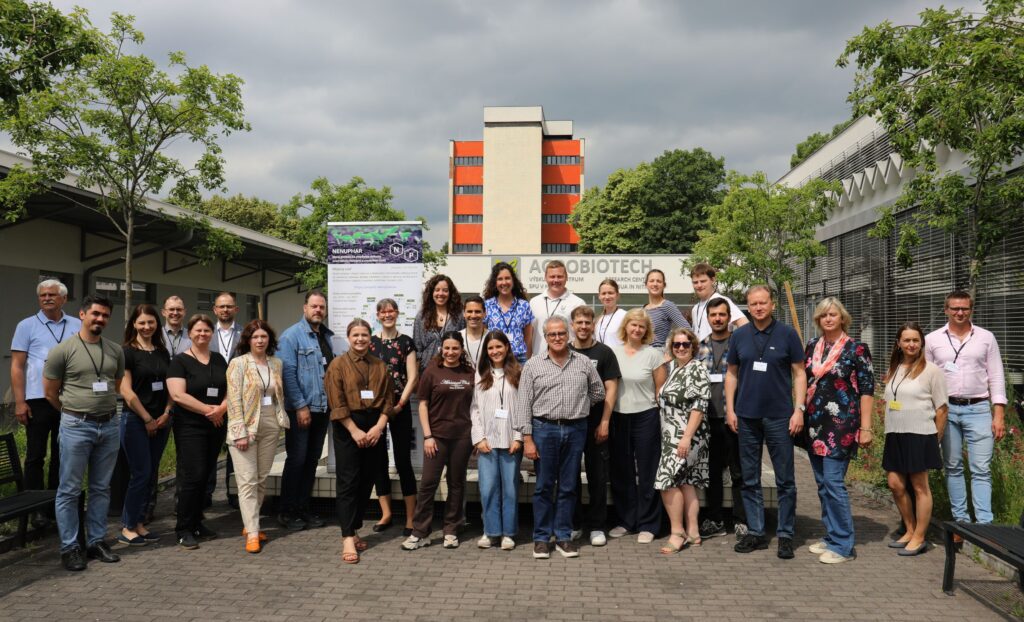
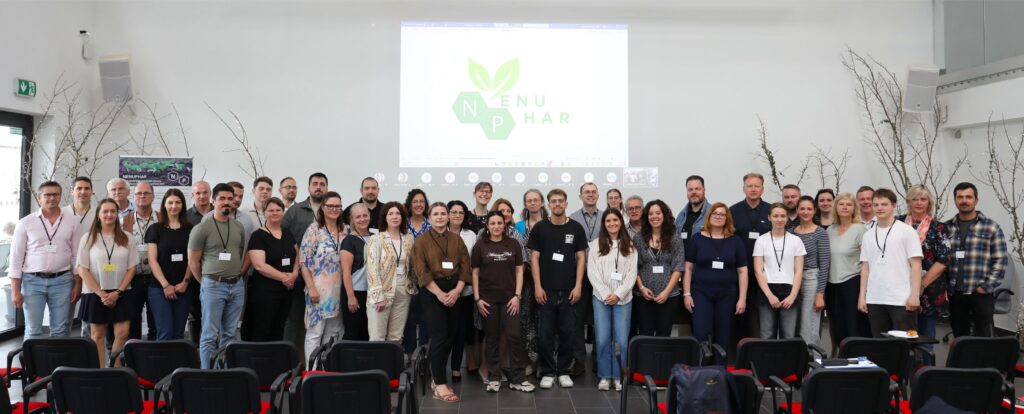
On June 3, 2026, the NENUPHAR Danube Community of Members (CoM) & Interregional Workshop took place at the AgroBioTech Research Center of the Slovak University of Agriculture (SUA) in Nitra. The hybrid event brought together researchers, technology developers, organic fertilizer producers, dairy industry representatives, and policymakers to share experiences, discuss regulatory challenges, and explore innovative solutions for wastewater treatment and organic fertilizer applications.
The event was opened with a welcome by the leader of Slovak Demo site – Prof. Ľuboš Jurík, who welcomed NENUPHAR partners from abroad as well as Slovak CoM members in the room and online on the meeting. The host Assoc. Prof. Elena Aydin, then introduced the first speakers from SUA to introduce current Horizon projects and biochar research by Dr. Hana Zach, and Assoc. Prof. Ján Horák. This was followed by insights into algae-based bio-compounds from the Algae4IBD project by Dr. Hana Ďúranová. Also, short introduction was made about the current work of one of SUAs leading researchers Prof. Miroslava Kačániová (HI = 43). At the end of the introductory section, the NENUPHAR project goals and the Slovak CoM updates were introduced by Bárbara Palacino (CIRCE) and Elena Aydin (SUA).
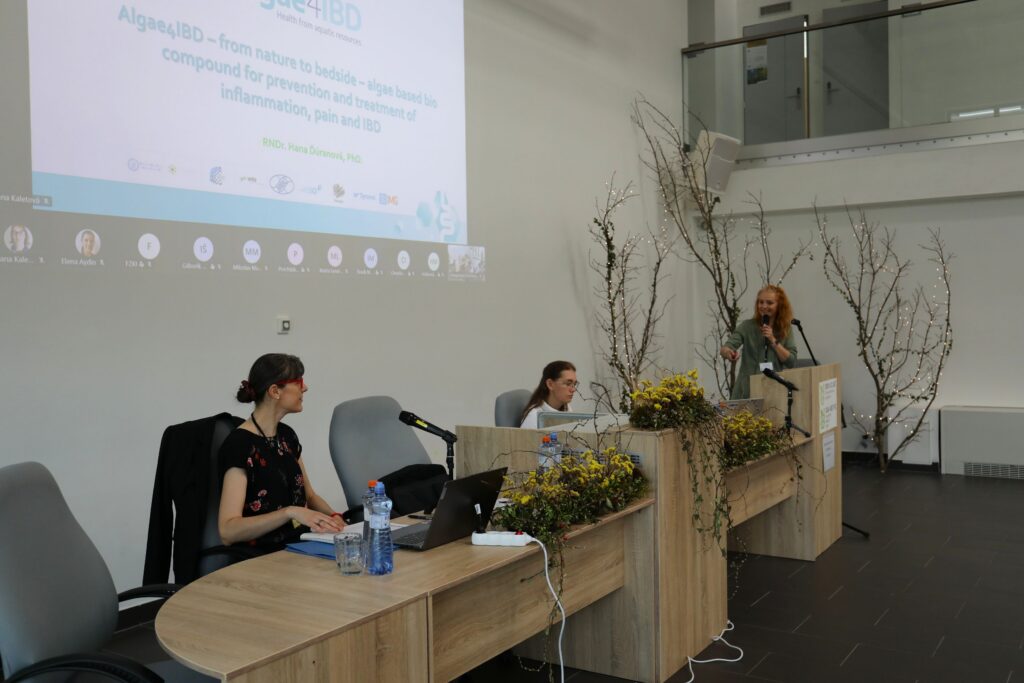
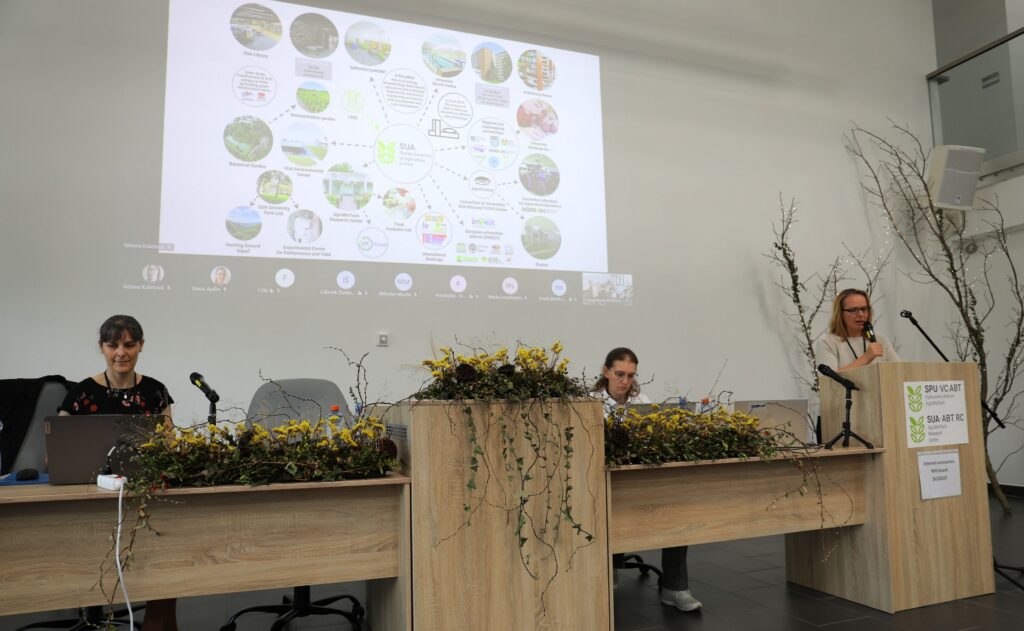
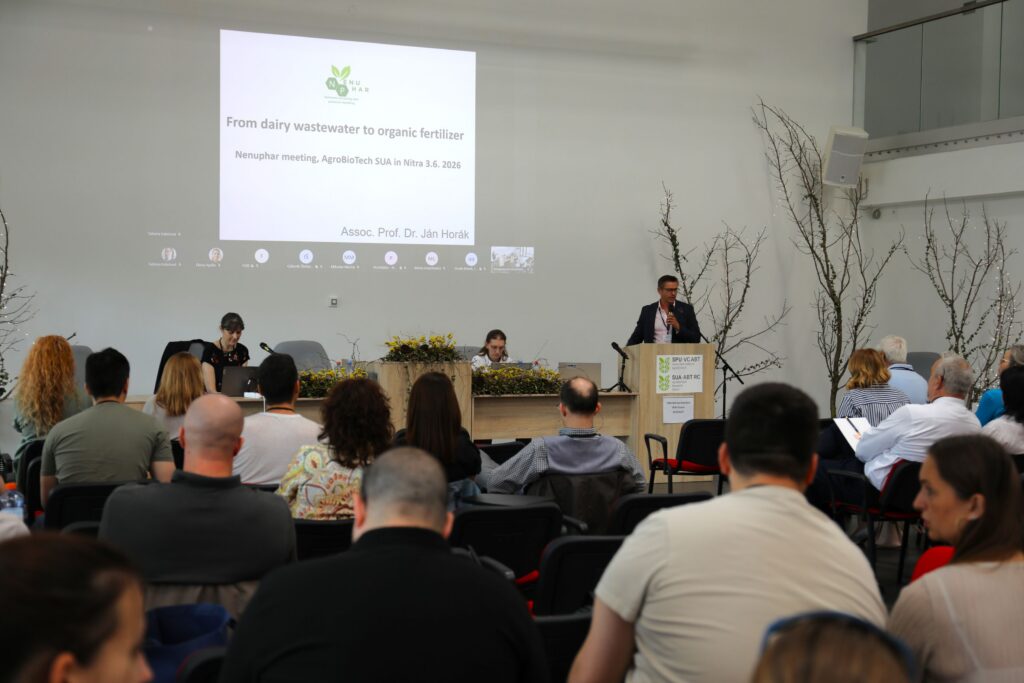
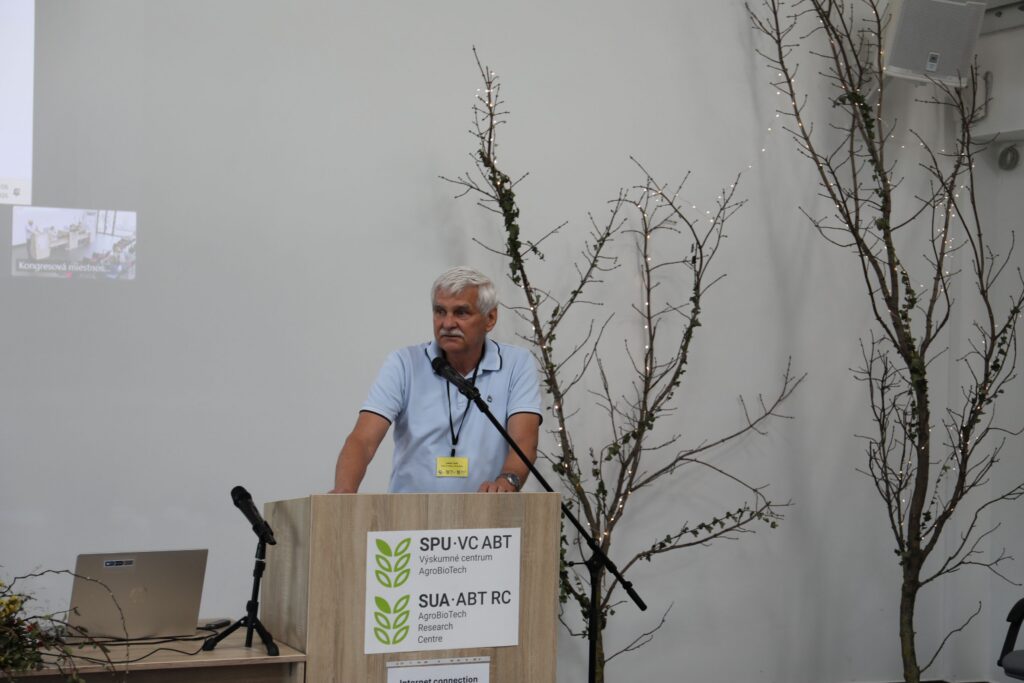
The first part of the workshop focused on milk production and wastewater management in the dairy industry. Attendees heard practical perspectives from Dr. Monika Šabová (Levické mliekarne a.s.) and Ing. Adriana Galková (MILSY a.s.) on preliminary wastewater treatment systems before discharge into public sewers. During the ensuing Round Table 1 discussion, international perspectives were brought to the forefront, particularly by Cypriot colleagues. They detailed the cascading production of their flagship Halloumi cheese and the by-product Anari, which results in highly polluting primary and second cheese whey (SCW) streams. While traditional practices like feeding whey to pigs and utilizing anaerobic digestion for biogas offset some of the waste, the increasing export demand for Halloumi has led to growing volumes of SCW (which retains 94-97% of the original whey volume). The geographically dispersed, small-scale nature of Cypriot dairy units further exacerbates high treatment costs, highlighting a pressing need for improved whey valorization and circular waste management approaches across Europe.
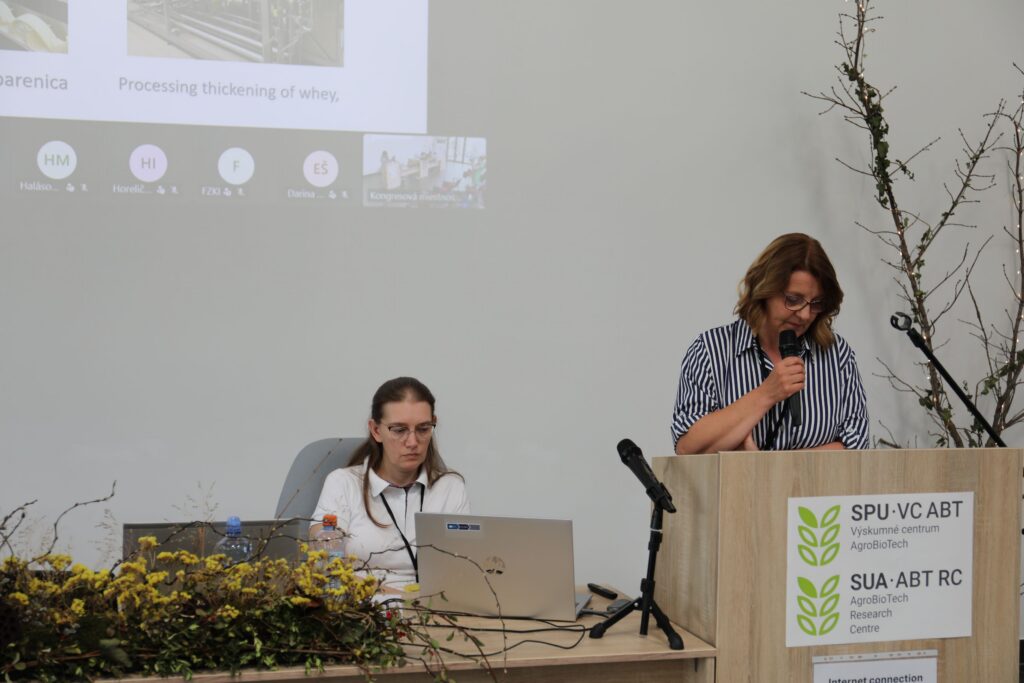
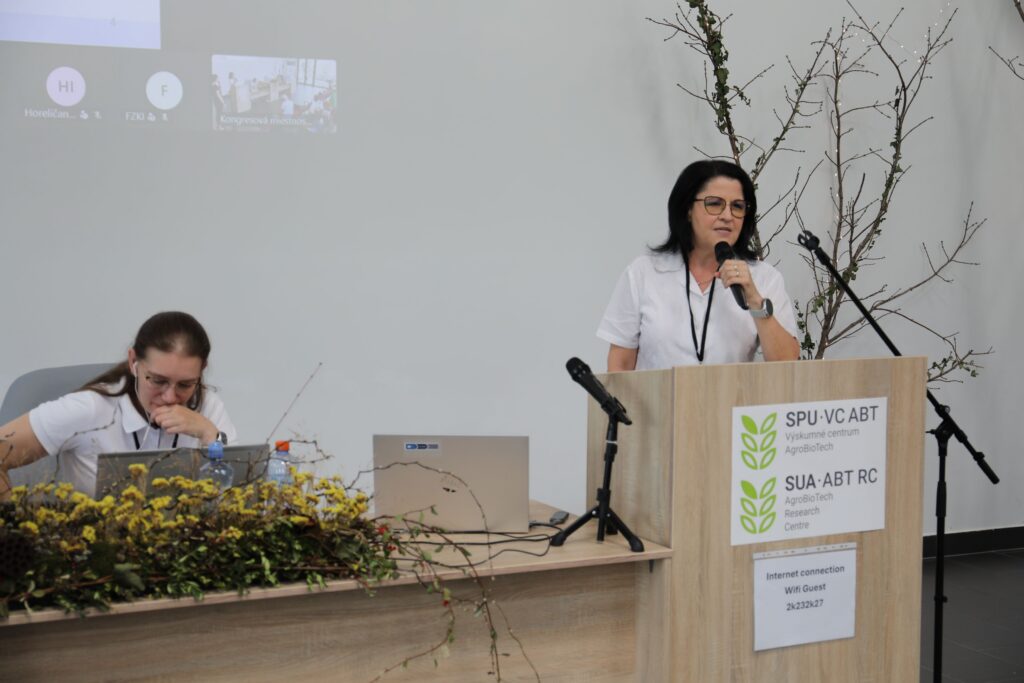
The second part of the event shifted focus to the production and application of organic fertilizers across Slovakia and the EU. A wide array of producers and experts shared their technologies, including low-carbon solutions (Dr. Štefan Szöke, AVOH), biochar-based fertilizers (Dr. Richard Hanzlík, Zdroje Zeme a.s.), activated humic acids (Dr. Michal Procházka, HUMAC s.r.o.), Bacteriolit microbial complexes (Dr. Rastislav Bobček, Product Feed a.s.), and eco-bioleaching biostimulants (Dr. Darina Štyriaková, EKOLIVE).
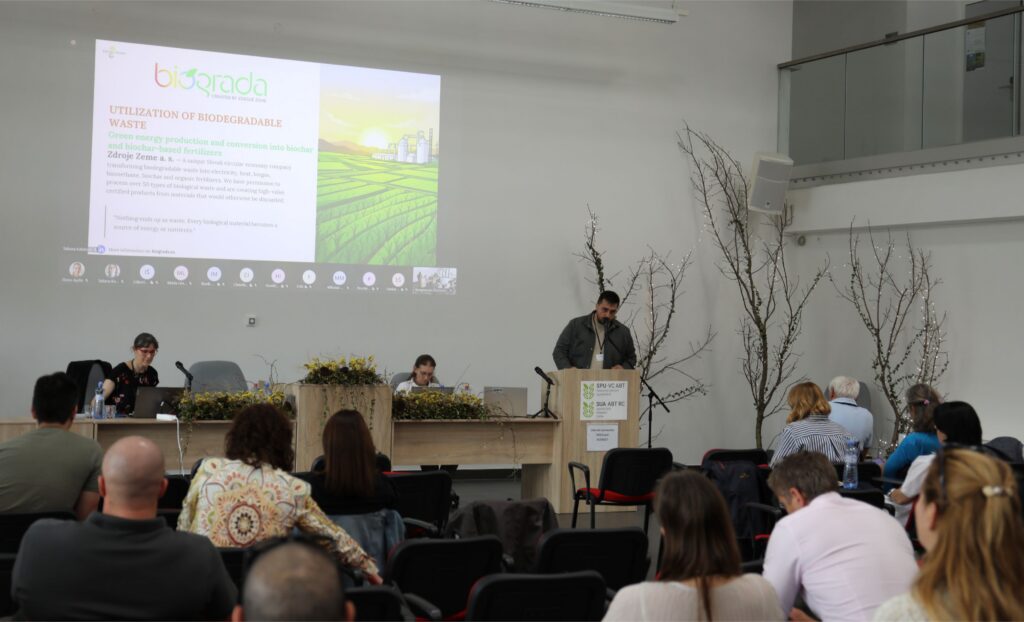
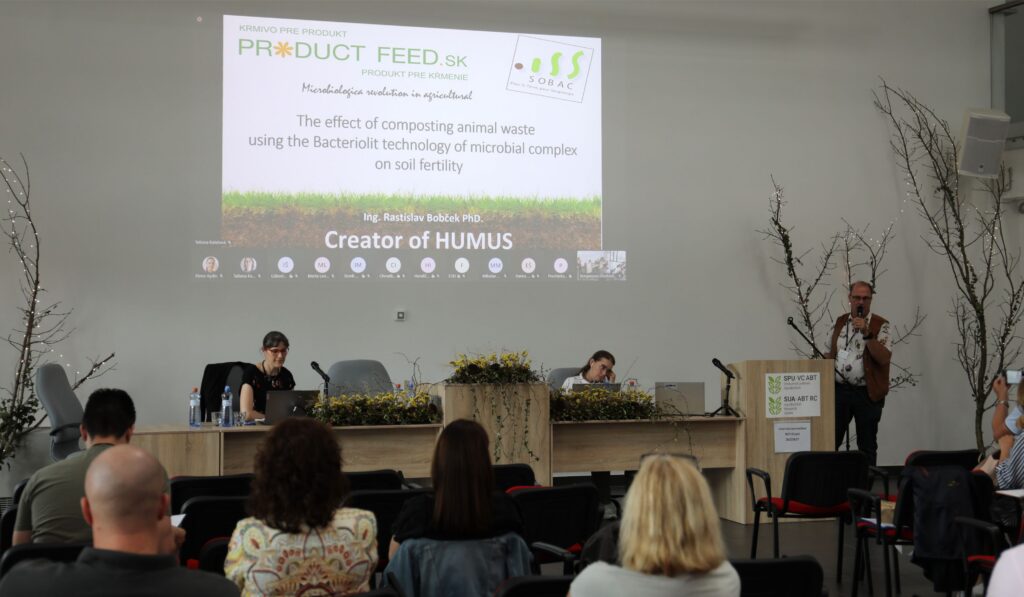
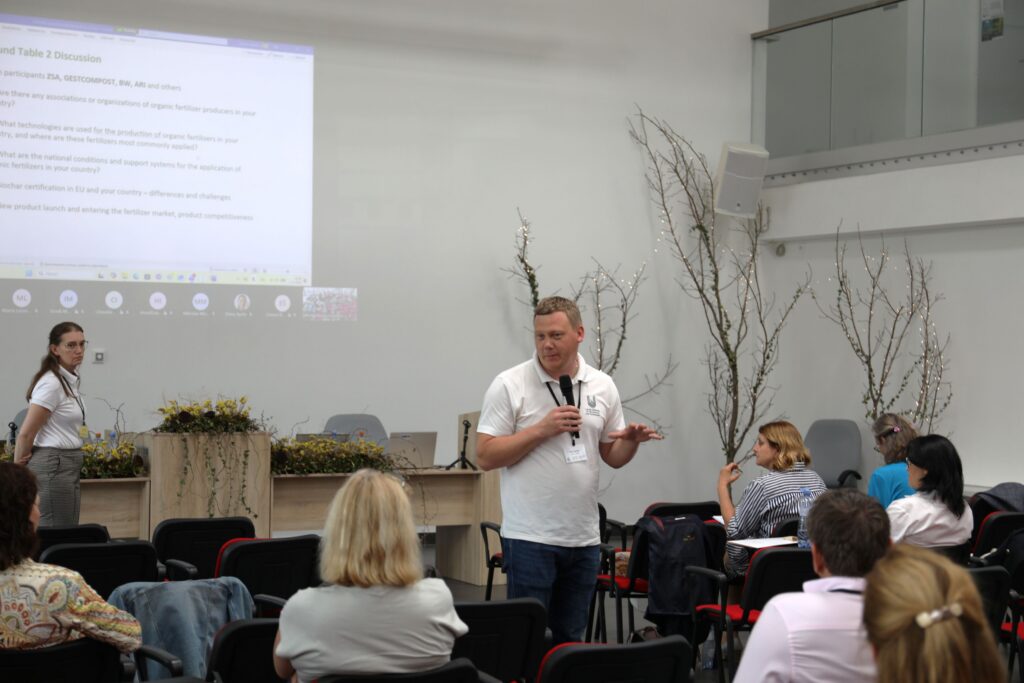
These presentations set the stage for a highly engaging Round Table 2 Discussion, which highlighted significant regulatory and geographical contrasts across Europe.
The key themes summarized by the speakers from Slovakia, Latvia, Cyprus, and Spain included:
Regulatory Barriers: Costly heavy-metal soil testing prior to sewage sludge application was discussed (Latvia). Furthermore, complex certification processes and conflicting regional legislations (as seen in Spain) hinder the adoption of alternative products.
Climatic and Geographical Disparities: Cypriot partner praised Slovak soils (rich with 3-5% organic matter) as a “paradise” for agriculture, contrasting this with southern Europe (Cyprus, Spain), where dry, hot climates naturally decontaminate sludge but lack the water necessary for traditional composting.
Logistical and Economic Constraints: The high transport costs of bulky organic fertilizers (compost, digestate, manure) remain a major hurdle. Consequently, application is often restricted to areas immediately surrounding production sites, inadvertently causing localized nutrient surpluses and elevated nitrogen in Nitrate Vulnerable Zones.
Emerging Market Solutions: To combat transport costs and volume issues, countries are exploring centralized processing and biochar production (Latvia). Meanwhile, in regions with less developed domestic fertilizer markets, farmers are increasingly turning to imported, higher-value organic amendments and biostimulants (Cyprus).
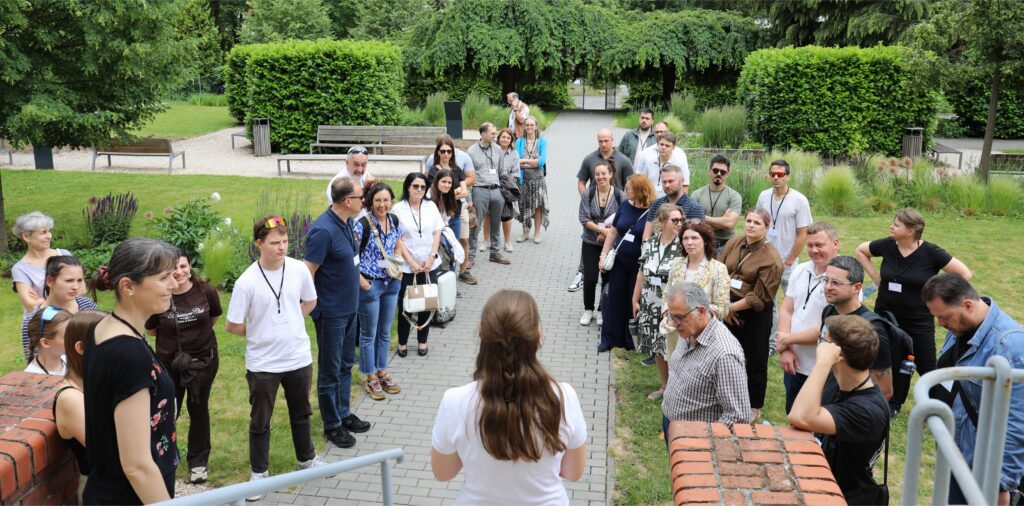
Following the lunch break, the online portion of the event concluded, and the in-person attendees participated in a cross-visit. The group traveled to the demonstration site at the Institute of Landscape Engineering of SUA in Nitra, located in Zobor suburb, where they observed a live demonstration of innovative technology for treating wastewater from dairies using algae.
The event reaffirmed that sustainable nutrient cycling requires context-specific legislation, taking into account different climatic realities across Europe. Close cross-sectoral cooperation between science, the agricultural sector, and water management operators remains a prerequisite for successful implementation.
The event was implemented within the framework of the HORIZON Europe project NENUPHAR “New governance models to enhance nutrient pollution handling and nutrients recycling”.
Agenda:
| June 3rd, 2026. Danube CoM & Interregional Workshop |
|---|
| Venue: AgroBioTech Research Center of SUA in Nitra |
| General Structure of the workshop |
| Workshop |
| 08:30 Registration at the venue |
| 09:00 – 09:25 Welcome and introduction to Horizon projects (Ing. Hana Zach, PhD.) and research on organic additives to soil (doc. Ing. Ján Horák, PhD., SUA in Nitra) at SUA in Nitra |
| 09:25 – 09:30 Algae4IBD – from nature to bedside – algae based bio compound for prevention and treatment of inflammation, pain and IBD (RNDr. Hana Ďúranová, PhD., SUA in Nitra) |
| 09:30 – 09:40 Project NENUPHAR (Bárbara Palacino, CIRCE), Slovak CoM update (doc. Ing. Elena Aydin, PhD., SUA in Nitra) |
| PART 1 Milk production and wastewater from the dairy industry |
| 09:40 – 09:50 Levické mliekarne a. s. (Ing. Monika Šabová, PhD., Levické mliekárne a. s.) – in Slovak / translated to English |
| 09:50 – 10:10 Preliminary treatment of wastewater from the MILSY dairy before discharge into the public sewer system (Ing. Adriana Galková, MILSY a. s.) |
| 10:10 – 10:40 Round Table 1 Discussion |
| 10:40 – 11:00 Coffee break |
| PART 2 Organic fertilizers – producers’ experiences with production and application in Slovakia and the EU |
| 11:00 – 11:20 The future of agriculture: Low-carbon and organic solutions for Europe (PhDr. Štefan Szöke, AVOH director) – video in Slovak, EN sub. and Fertilizer Action plan: A partnership to ensure the availability, affordability and strategic autonomy of domestic EU fertilizers (Prof. Ing. Ľuboš Jurík, PhD., SUA in Nitra) |
| 11:20 – 11:35 Utilization of biodegradable waste – green energy production and conversion into biochar and biochar-based fertilizers (Ing. Richard Hanzlík, PhD., Zdroje Zeme a. s.) |
| 11:35 – 11:50 Activated humic acids as a tool for nutrient uptake efficiency and sustainable agriculture (RNDr. Michal Procházka, PhD., HUMAC s. r. o.) – online presentation |
| 11:50 – 12:05 The effect of composting animal waste using the Bacteriolit technology microbial complex on soil fertility (Ing. Rastislav Bobček PhD., Product Feed a. s.) |
| 12:05 – 12:24 Biostimulants from eco-bioleaching (Ing. Darina Štyriaková, PhD., EKOLIVE) – online presentation |
| 12:24 – 12:30 The future lies in amino acids – ROKOSAN video – https://www.youtube.com/watch?v=jUxfqUcY97w |
| 12:30 – 13:00 Round Table 2 Discussion |
| 13:00 – 14:00 Lunch break |
| Cross-Visit |
| 14:00-14:20 Transport to demo site |
| 14:20-15:10 Visit: Demonstration of technology for treating wastewater from dairies using algae |
| 15:10-15:30 Discussion and closure |
| 15:30-16:00 Transport back to Nitra city centre |